

This blog post was written by Aranee Mahendiran and Kerrice Bailey, members of WHEN’s editorial and events teams and edited by Executive Director Victoria Lewis.
WHEN advocates for all women, including cis and trans women, as well as intersex and non-binary individuals. Environmental health harms affect the body differently depending on sex, gender, race, ability, socioeconomic status, and other identity factors. We all deserve healthy environments.
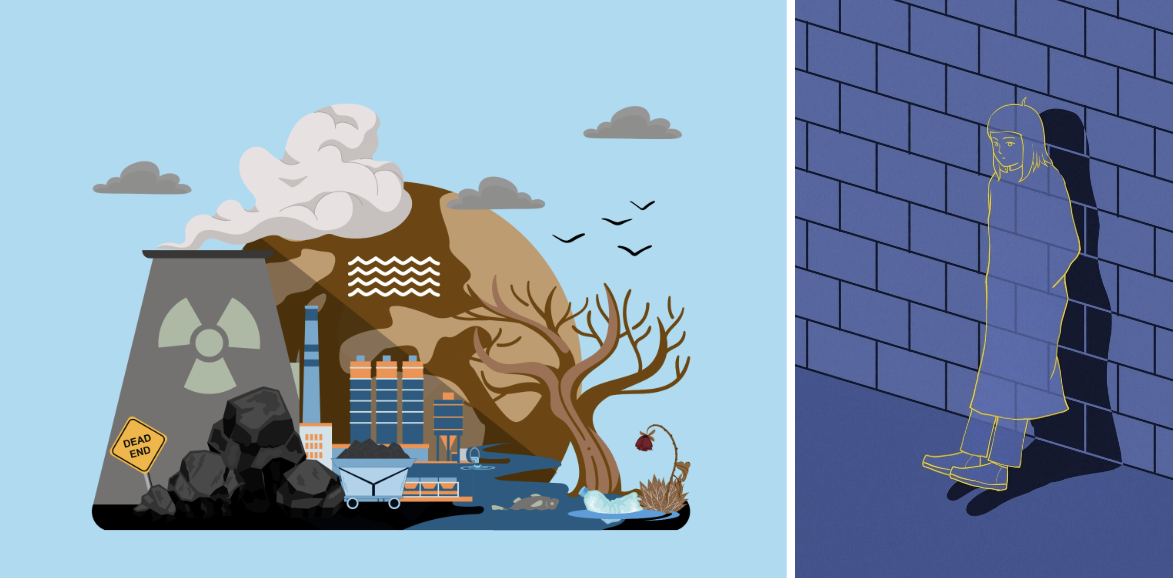
Do you find yourself stressed or worried about the state of the environment? Does news about worsening climate affect your mood? Do you feel hopeless about the future?
You are not alone, and you might be experiencing symptoms of eco-anxiety.
Globally, we are experiencing extreme weather events, floods, wildfires, and an overall increase in awareness of the changing state of the environment. The state of the environment is not separate from us. We are impacted by declines in biodiversity and changing climate patterns that may seem distant from us. The health of the environment will naturally impact our mental health and overall wellbeing. Thus, frequent or devastating updates about negative changes in the environment can result in constant negative feelings, stress, or fear associated with environmental declines.
This fear can impact our daily activities and overall outlook on life leading to eco-anxiety. The American Psychological Association defines eco-anxiety (also called climate anxiety or eco-distress) as “a chronic fear of environmental doom.”
Symptoms of Eco-Anxiety
While eco-anxiety is not an official diagnosable illness, the Mental Health Commission of Canada outlines the following symptoms as signs of eco-anxiety:
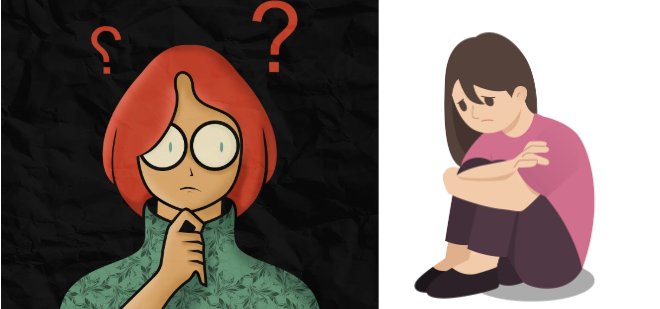
Existential dread
Trouble sleeping or concentrating
Guilt related to your carbon footprint
Feelings of depression, anxiety, or panic
Obsessive thoughts about the climate
Fatalistic thinking (it’s too late to fix anything, why try?)
Anger and frustration toward older generations and governments that have not responded to climate change
Grief and sadness over the loss of natural environments (this is sometimes referred to as solastalgia, a type of homesickness one experiences when a person’s home environment is damaged or altered)
Methods for Addressing Symptoms of Eco-Anxiety
The American Psychological Association explored the concept of meaning-focused coping as a strategy to transform feelings of distress into a sense of purpose, improving overall mental wellbeing.

Illustration by Bianca Van Dijk, retrieved from and licensed by Pixabay
WHEN has put together a checklist for you to meaningfully address feelings of eco-anxiety. These actions are more important than ever before, so encourage your friends and family to participate with you! Let’s get through this together!
Email your local councillor!
Remember to think globally, and act locally! Your local government is your closest point of contact to express issues you wish to bring attention to. Our governments exist to serve us and address our concerns. Remember to use your voice!Vote in your local election!
Average voter turnout in 2022 was 32.9% Our local representatives are responsible for addressing climate issues in your neighbourhood and city. Our right to vote and ability to shape the world around us is a direct result of people coming together to demand better. We owe it to the communities before us to vote for a government that will work to address the most pressing of issues!Join a climate-focused group in your city!
There are so many great environmental organizations that bring people together to create a community that cares about our planet. No matter what your skills are, there is a place for you! From park clean ups, to repair cafes, and community education, find friends and hope through community!Visit circular economy events!
We all know there is enough stuff in this world to last lifetimes. Let’s focus on repairing what we own, thrifting instead of buying new, and visiting free swapping or bartering events! Visit garage sales, set up no buy groups in your neighbourhoods to trade unused items! We have so many possibilities and options, let’s get creative!Sign petitions and join local actions!
Support community groups and local representatives that are trying to push environmental issues to higher levels of government. Follow political and environmental groups online to sign petitions and stay in the loop of local events and actions. Join rallies, door-to-door canvassing for candidates you support, and spread awareness to your neighbours! This is a great way to get involved actively and meet like-minded friends!Follow local organizations in your area!
Our digital presence is a large part of our lives. What we follow and ultimately consume shapes us and our understanding of the world around us. Let’s step away from content that promotes excess and unrealistic lifestyles, and take some time to follow environmental groups, political groups, and people that provide the most up-to-date information about what’s happening in your community. There are so many great communities passionate about working together to build a better world for all.
This blog post is part of WHEN’s Municipal Climate Action Campaign, and we’re working to provide anyone who is eligible to vote with accessible, non-partisan resources to help them engage in municipal elections and make informed voting decisions.
Follow us on Instagram, Facebook & Linkedin for more information on the municipal voting process, environmental priorities we want to see championed by our candidates, and resources for connecting with your candidates to determine if they deserve your vote!