

This blog post was written by Alessia Iacobelli, Kaitlyn De Sousa, and Gwen Merry, members of WHEN’s volunteer editorial team, and edited by Victoria Lewis, Ariana Nicola, Kanisha Acharya-Patel, & Charlotte Hobson.
WHEN advocates for all women, trans, cis, and Assigned Female at Birth (AFAB) individuals. For the purposes of this blog post, the term ‘women’ shall refer to those with ovarian reproductive systems and/or those who identify as women, recognizing that both sex and gender affect one’s vulnerability to the impacts of fast fashion.
Welcome to the holiday edition of our Wannabe Toxic Free (WTF) series! WTF shares information about toxic substances to support individuals who hope to limit their exposure and protect their health. We also hope to inspire our community to advocate for structural change and environmental protections.
As you gather with your loved ones during this holiday season, we want to help you keep toxic items out of your homes and focus on meaningful gift giving. We believe this season should be one that celebrates joy without excess, and where every purchase, package, and piece of décor reflects care for our health and the planet.

Photo by Nicole Michalou, retrieved from and licensed by Pexels
Keep reading to learn more about:
The impact of overconsumption in gift giving and gift wrapping
How to limit the amount of waste
Deciding between artificial and real Christmas trees
Common toxic exposure sources, such as Christmas trees, gift wrap and candlesFestive recommendations to improve the health of your home this holiday season
Overconsumption
Gift Giving
The holidays are a beautiful time to show appreciation to your loved ones through thoughtful gift giving. The season is known for bringing joy and warmth into our lives, reminding us to express our gratitude to those who are close to us. But over the years, holiday norms of gift giving have changed. For many, overconsumption has taken its toll on the holiday season. With constant flash sales, endless marketing campaigns, and the growing pressure to keep up with trending items, overconsumption has started to overshadow the connection at the heart of the holiday season.

Photo by Pixabay, retrieved from and licensed by Pexels
Spending on holiday gift giving in Canada has more than doubled in the last two decades, increasing from $416 billion in 2002 to $936 billion in 2022. For comparison, Canada’s population grew from 31.6 million to 38.9 million over the same period. These numbers demonstrate the significant growth in consumption patterns, and this calls into question whether the things we buy during the holidays are actually being put to good use.
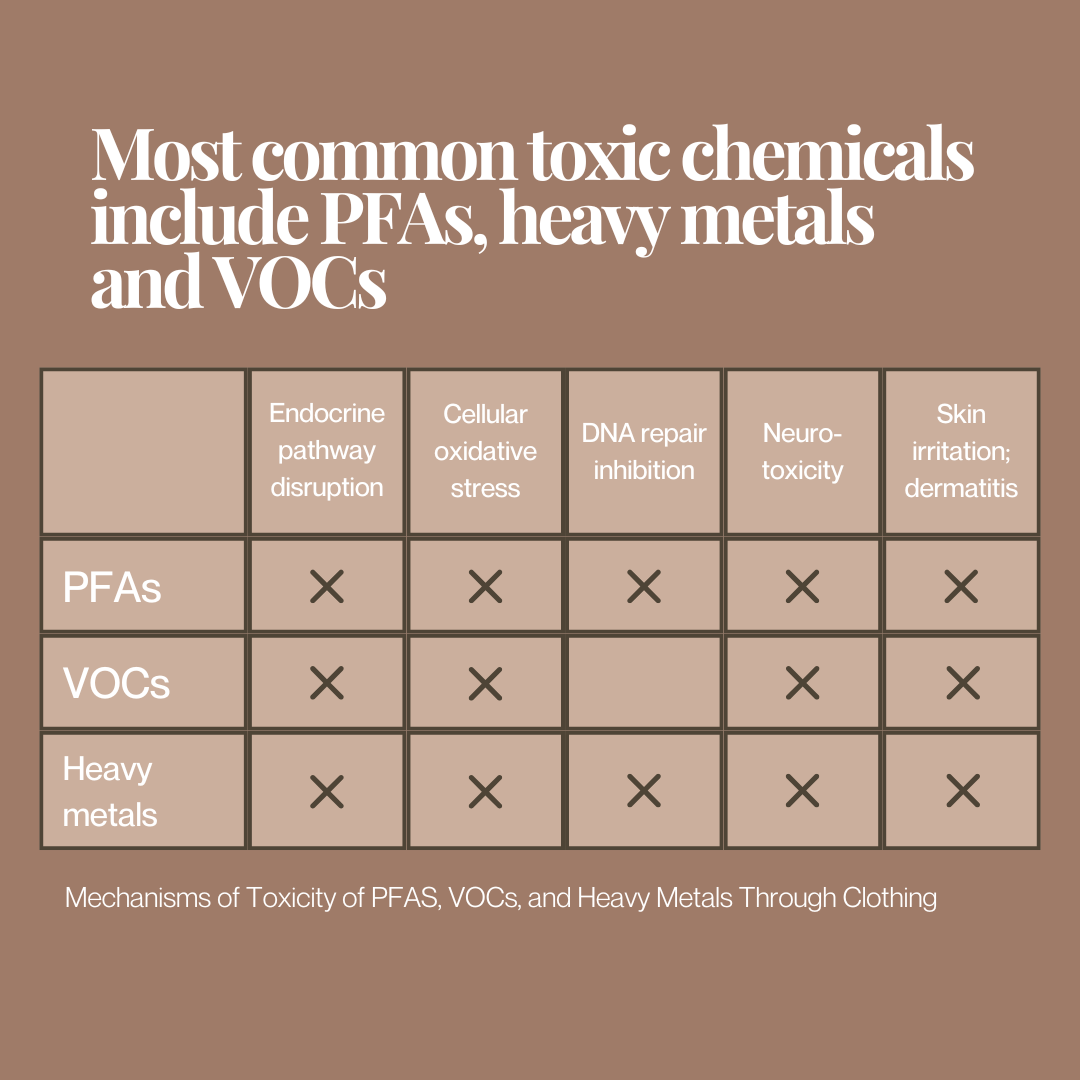
Figure 1. Human Health Effects of Common Toxic Chemicals
In addition to the waste produced by excessive and less intentional gift-giving, these items are often major sources of toxic exposure. Toxics are found in many popular personal care and beauty products, clothing, kitchenware, household items, toys, electronics, and other items with batteries. These items often contain toxins which negatively affect our health, including Phalates, Per- and Polyfluoroalkyl (PFAS), dyes, Volatile Organic Compounds (VOCs), fragrances, and heavy metals. Many popular gift items also come in disposable packaging (plastic or coated in plastic), which are hard to recycle or not recyclable, creating an even larger amount of waste and toxins from packaging materials to leach into our environment, causing pollution in our soil and waterways.
Gift wrapping
Everyone loves to wrap and unwrap presents with fun, festive-themed paper, but the cost of using traditional gift wrapping paper is often overlooked. While recent data on wrapping paper waste in Canada is limited, the scale of the issue can be seen through international examples. In the UK alone, an estimated 227,000 miles worth of wrapping paper is used every holiday season.
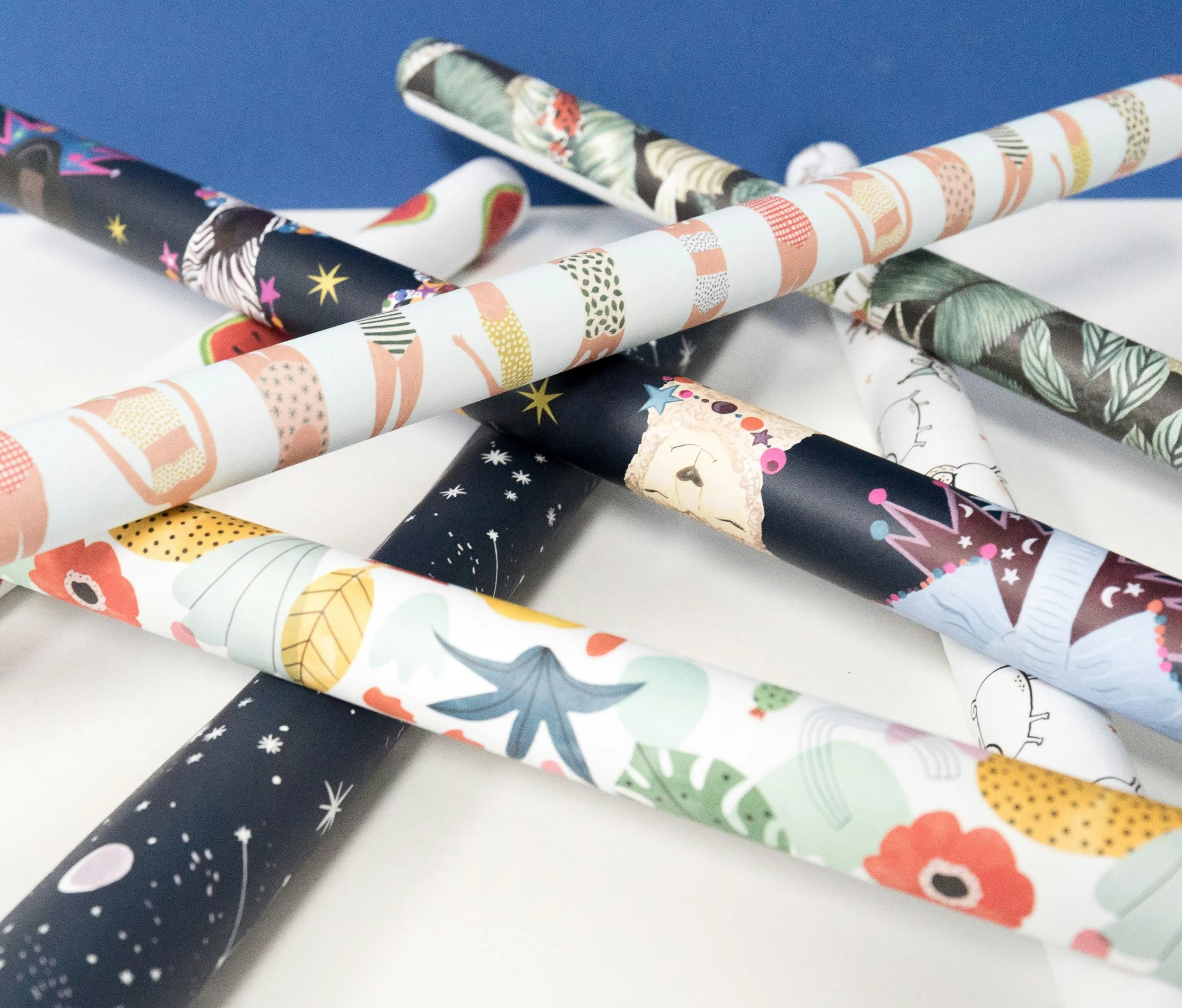
Photo by Hello Sunday, Retrieved from and licensed by Unsplash
Aside from the amount of paper being wasted, the impact on our health is also a concern. The City of Winnipeg’s Superintendent of Waste Diversion has noted that the dyes in traditional wrapping paper can contaminate entire batches of recyclable paper, preventing them from being properly processed into new materials and likely leading to this waste being diverted to landfills. Much of this paper contains metallic or laminated finishes, and even glitter. Glittery and shiny wrapping paper looks festive, but can contribute to the prominent issue of microplastics in our environment. The European Environmental Agency calls microplastics “a major emerging pollutant” because of their impact on our health, and their everlasting presence in the environment. On top of that, wrapping papers can use solvent-based inks that release VOCs. When we toss this type of paper out, these chemicals can leach into the soil and water, and cause negative health effects such as hormone disruption, neurotoxicity, and skin irritation (See Fig. 1).
Holiday Toxic Exposure Sources
Aside from gift-giving, the holiday season is also among the most waste-intensive times of the year as a result of energy use and waste from decorations. In North America, energy surges drastically from increased lighting during the holiday season, and household waste increases by 25-30% between Thanksgiving and New Year’s. Annual consumer habits such as purchasing mass-produced decorations contribute to overconsumption and unnecessary waste.
Real vs. Artificial Christmas Trees
Choosing between a real and artificial Christmas tree is more than an aesthetic preference: it has significant environmental and health implications. The choice is often a confusing one, because there are benefits and drawbacks that seem to apply to both options.
The general rule is that if you already own an artificial tree, keep it for as long as possible. If you prefer real trees, buy local and ensure you compost them at the end of the season.

Photo by Lloyd the Void, retrieved from and licensed by Pixabay
Real trees are, generally, better for the environment than fake trees. Christmas tree farms can provide carbon absorption and wildlife habitat as they grow. They do have negative environmental impacts, however, which come from fertilizer and pesticide use, irrigation, and long-distance transportation. Large monoculture farms are more likely to rely heavily on pesticides and herbicides, reducing the biodiversity of the soil. Farmers often use chemical methods of cultivation to reduce labour costs for growers. A more sustainable choice for purchasing a real tree is one from a certified organic farm or suppliers practicing forest stewardship, replanting trees and minimizing chemical use. Supporting local growers also reduces transportation emissions and helps boost the local economy.
If a tree is properly cared for, keeping it near a natural source of sunlight can also promote oxygen production. After the holidays, when trees are sent for composting or mulching, they return nutrients back into the soil and decompose naturally. Many municipalities, including Toronto, offer tree recycling programs, turning used trees into mulch for parks and gardens. Some wildlife centres also accept real trees to help enrich animal habitats.
Real trees bring a different set of indoor air concerns, including mold spores, pollen, dust, and residue from pesticides or fertilizers used on tree farms. Residues from pesticides can enter the home and may affect people with asthma, compromised immune systems, allergens, or MCS. Mold spores from natural trees are one of the most common holiday triggers for indoor respiratory symptoms, even being named “Christmas Tree Syndrome”. Proper care to keep the tree alive (as detailed here) reduces fire risks and potential allergens like mold and pollen.
Since real trees can introduce these allergens into the home, enforcement around pesticide safety and management on tree farms is an important part of public health during this season. Pesticides on trees are regulated under the Pest Control Products Act (PCPA), which requires certified applicators to use products registered and permitted in Canada on Christmas trees. Canada has published a guidebook to help Christmas tree growers with safe pest management, so we encourage you to check if the place you’re purchasing from is aware of and complies with these guidelines.

Photo by Natalie Bond, retrieved from and licensed by Pexels
Artificial trees, on the other hand, are made from Polyvinyl Chloride (PVC), a petroleum-based plastic associated with toxic emissions during manufacturing. PVC is toxic at every stage of production and disposal, and is filled with several toxic additives and plasticizers, which can leach from plastic during use, exposing us and contaminating the indoor and outdoor environment. Many trees are coated in flame retardants, which are linked to respiratory irritation. PVC-based trees can off-gas chemicals in the home, which persist in household dust and are a significant exposure source for people with asthma or chemical sensitivities. PVC is very hard to recycle, and so most of it ends up in landfills and incinerators, where it continues to release microplastics and heavy metals. Most artificial trees are also made overseas, adding significant transportation emissions. All of these factors add up to a carbon footprint three times greater than that of a real tree. An artificial tree must be reused for up to a decade before it becomes more sustainable than buying a new real tree each year. Before putting up your artificial tree for the holiday season, it is a good idea to air it out and clean it to help minimize health risks.
Candles
Candles are associated with the holiday season both as gifts and as decor. They bring a lovely smell and cozy vibe into our homes during the winter months. However, it is important to be mindful of the potential health effects candles have. As explained in our article on the intersection of wellness and candles, many candles are made of paraffin wax. This wax is a petroleum product that creates carcinogenic VOCs, benzene, and toluene when burned. Although there are not many studies on the direct health outcomes of candle use, there is evidence to show that the fragrances and dyes can be harmful to your health. Artificial fragrances also have VOCs such as phthalates. Phthalates are linked to learning and behaviour issues. In addition, they particularly impact those assigned female at birth as they are established as endocrine disrupters, affecting hormones and leading to serious conditions such as breast cancer.
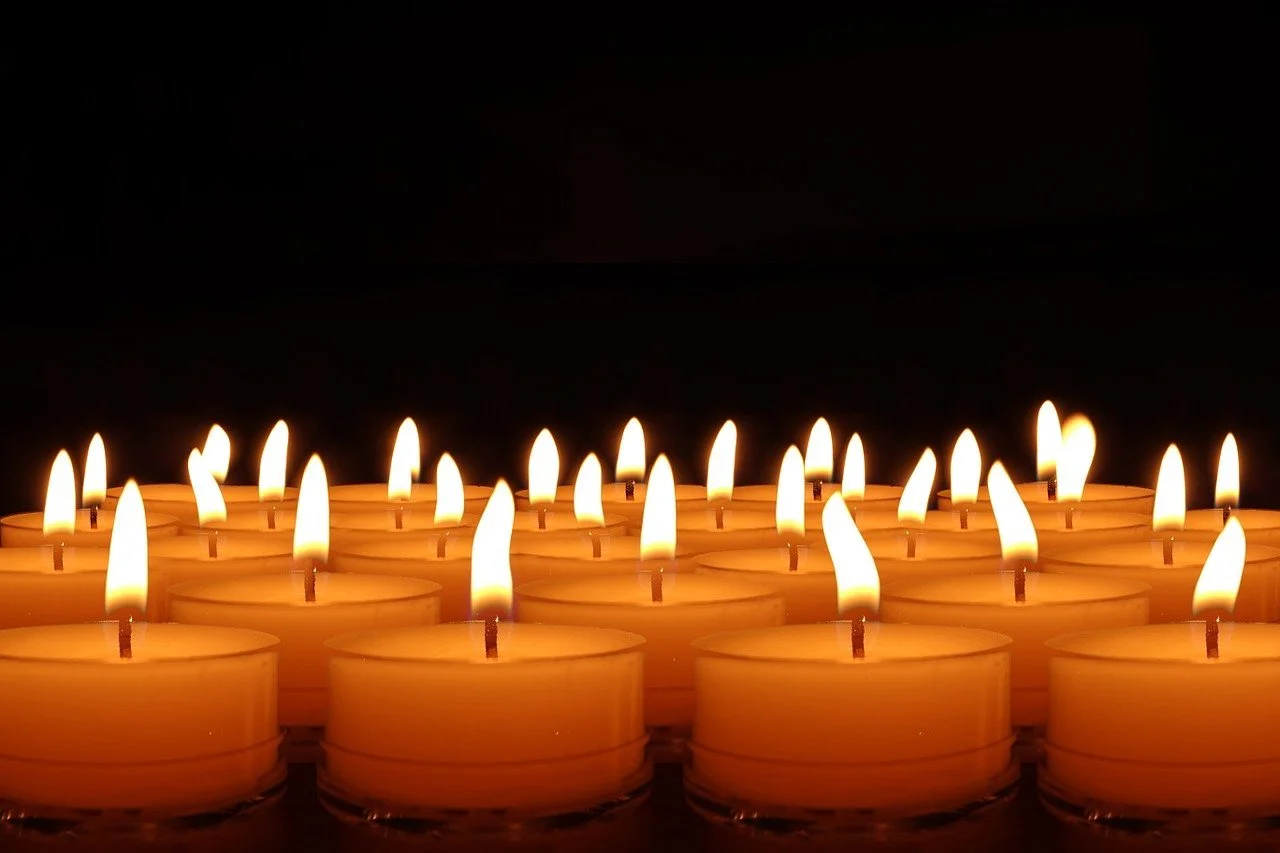
Photo by Gerd Altmann, retrieved from and licensed by Pixabay
It is important to note that the harmful risks of fragrance are not limited to candles. For example, scented wax melts emit a greater amount of VOCs into the air due to the larger surface area of the wax during the heating process. One American study found that one third of Americans suffer from adverse health effects as a result of scented products. Finding healthier alternatives to artificially scented paraffin candles is one way that we can protect ourselves from the harmful scented products in our everyday lives.
People living with Multiple Chemical Sensitivities (MCS) may experience headaches, respiratory irritation, or dizziness from even low-level emissions. The Environmental Health Association of Québec (EHAQ) is working to have MCS recognized as a medical condition to better protect these individuals and improve treatment practices. Fragrances are one of the triggers of MCS which can result in difficulty breathing, fatigue, brain fog, and more. When giving gifts this season, it is important to be mindful that scented products, even those with natural scents such as essential oils, can cause irritation and sensory interference for some people.
WHEN’s Recommendations for a Healthy Holiday Season
It is important to acknowledge the barriers to accessing less toxic alternatives, such as higher price range and lack of availability at common shopping centres. Thus, the time and money associated with healthier alternatives can prevent many people, especially those who are low income, from accessing them. That’s why our first recommendation is to reduce overconsumption in general, and instead consider unconventional gifts such as a baked good, home-cooked meal, shared experience, or handwritten card.
Mindful Purchasing in Gift Giving
Consumers and brands are starting to take a step back and reflect on the unsustainable culture of hyperconsumption. People are prioritizing more mindful and intentional gift-giving, by focusing on the quality and longevity of gifts rather than the quantity. One way to do this is by shifting towards supporting local artisans or sustainable brands, and opting for experiences or services instead of physical products. WHEN recommends supporting brands that refuse to participate in the flash sales altogether. For example, Deciem has an anti-black Friday approach called Slowvember, which offers month-long discounts on all products to encourage mindful purchases instead of impulsive ones. Being strategic about what we buy not only reduces waste, but it also ensures our gifts have real meaning and longevity. We can also make more conscious purchasing decisions by avoiding toxic products. See our PFAS Consumer Guide for items to avoid gifting your loved ones this season.
Gift Wrapping
Instead of using traditional wrapping paper, we can use some fun, sustainable alternatives. Reusable options like gift bags, boxes, or fabric wraps reduce waste, while recyclable materials such as kraft paper offers a more eco-friendly choice. You can also repurpose what you already have (such as newspapers), or add extra gifts (tea towels, or small blankets) to make creative wrapping. Small swaps like these can truly make a difference.

Photo by Anastasia Shuraeva, retrieved from and licensed by Pexels
DIY Decor
Holiday decor often includes plastic ornaments, synthetic greenery, and disposable gift wrap, which all contribute to seasonal waste. Opting for homemade and natural alternatives can help to significantly reduce this footprint. Foraged materials like pinecones, evergreen branches, and holly add a natural touch and aroma. Homemade decor like dried fruits, cinnamon sticks, paper ornaments, wooden pieces, or simple salt-dough crafts can create a nostalgic and cozy aesthetic without adding to landfill waste.
Choosing quality over quantity this holiday season by reusing decor, sharing or swapping items, handmaking decorations, and prioritizing experiences over physical goods all help to shift the season’s focus from consumption to connection. The best celebrations for the holiday season are those that leave behind memories, not waste.
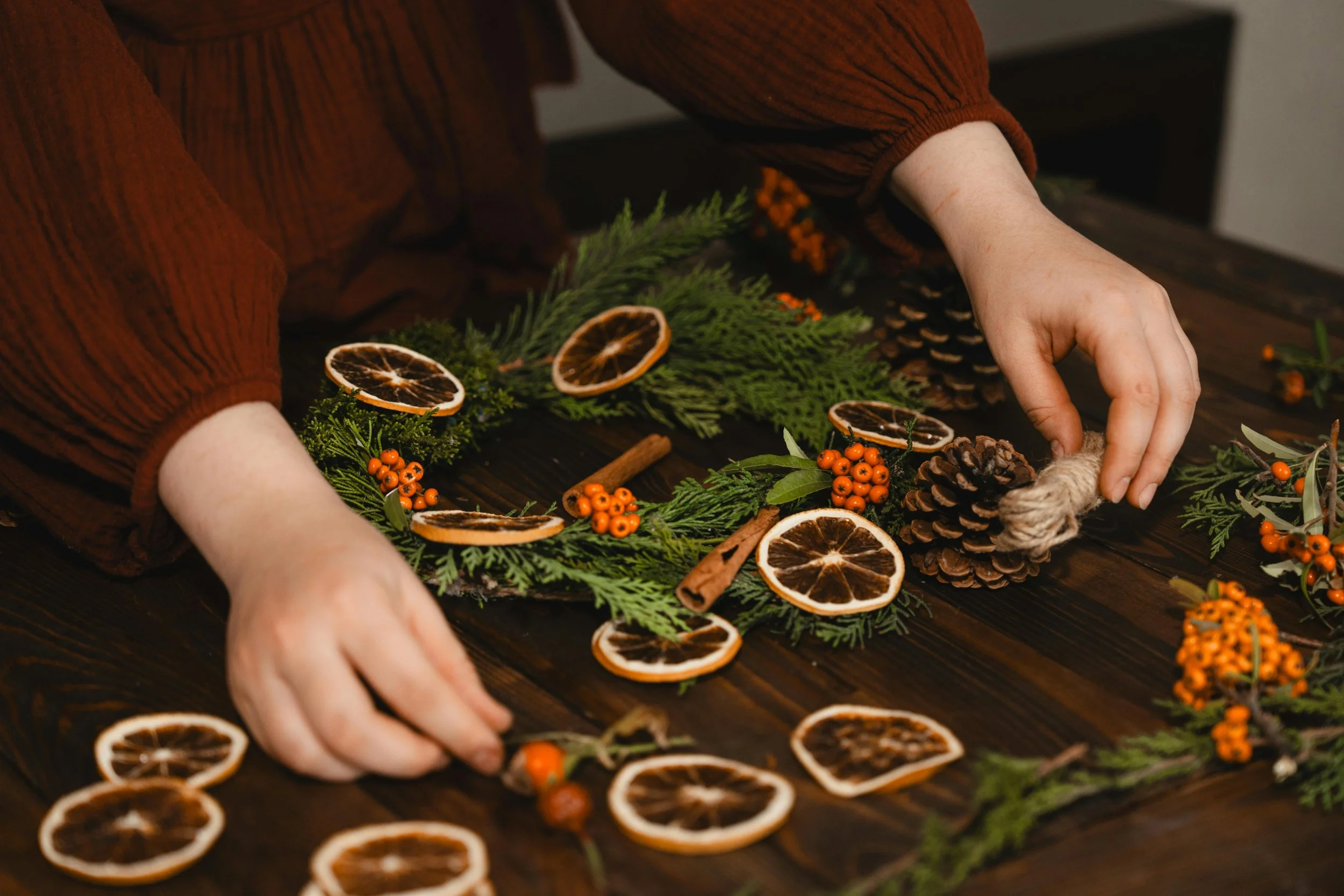
Photo by Sueda Dilli, retrieved from and licensed by Pexels
Christmas Trees
Tips for choosing a sustainable Christmas tree farm:
Planting program: do they replace the trees they harvest?
Wildlife habitat: do they leave areas for wildlife to thrive?
Organic practices: do they avoid using synthetic pesticides and fertilizers?
Local economy: do they sell local products such as maple syrup and wreaths?
Sustainable Farms in the GTA:
Located in Erin, Ontario (about an hour north of Toronto), this farm sells fresh-cut & cut-your-own trees, also a maple syrup producer & sell local gifts
Program where they plant seedlings to replace trees that are cut
Located in Cobourg (about 90 minutes east of Toronto), this farm actively plants seedlings each year to replace the trees that are cut
Has a buffer zone of trees along its stream that protects the stream bank from erosion and enhances fish habitat
Located in Markham and has a long history of organic farming, avoiding the use of synthetic pesticides and fertilizers
Candle Alternatives
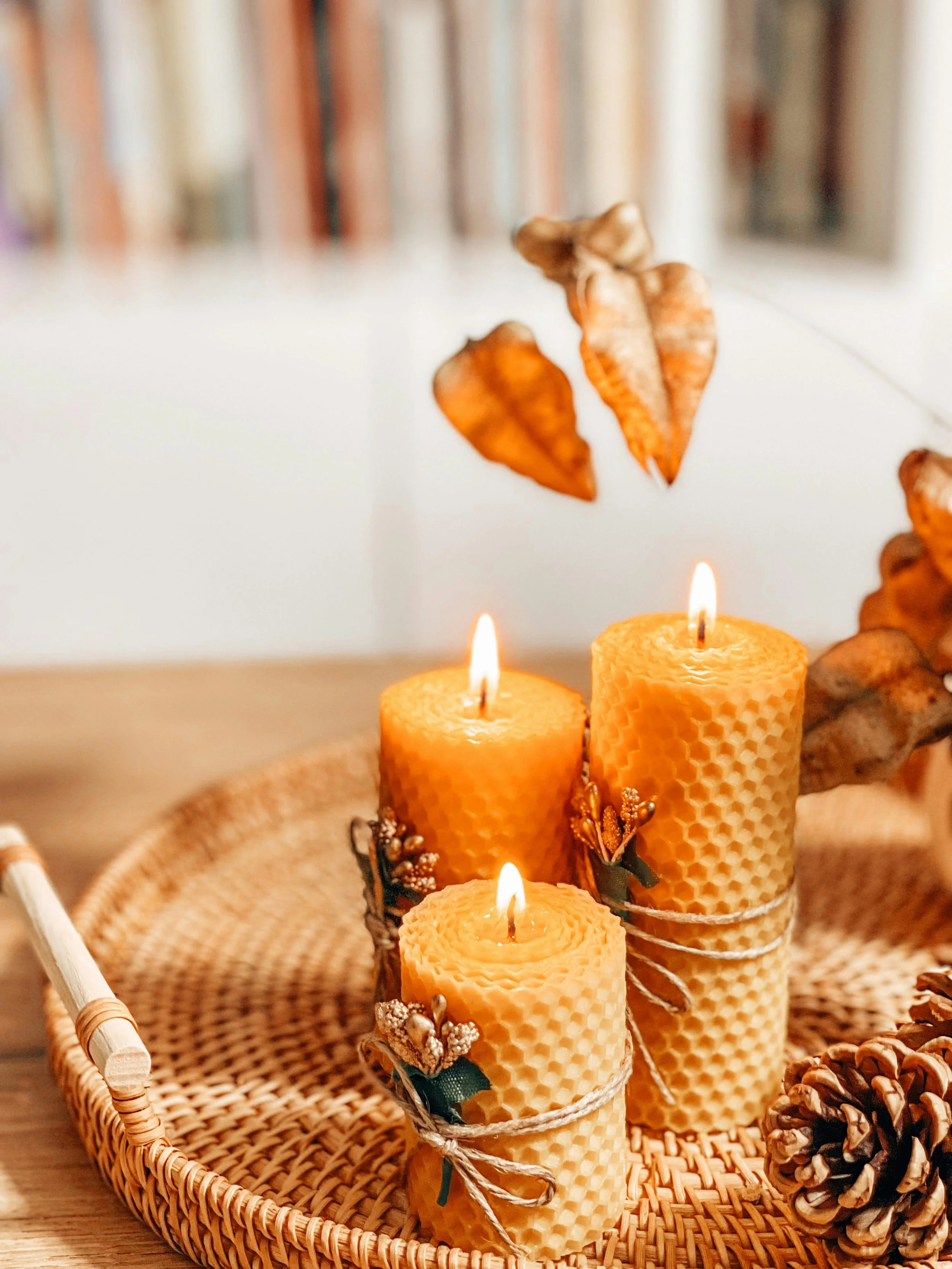
Photo by Liza Zerya Konus, retrieved from and licensed by Pexels
It is important to note that candles made with cleaner waxes, like soy and beeswax, still have the same risks if they are scented with artificial fragrances which contain VOCs. However, you can opt to buy soy or beeswax candles scented with essential oils, which do not carry those risks. You’ll also want to look for organic or sustainably grown soy wax, and beeswax that is sourced from beekeepers who use ethical, humane and sustainable practices. Another option is making your own candles in glass or ceramic containers you already have, which is a lovely personalized handmade gift for this holiday season.
Ethically Made Beeswax Candles in Canada
(All companies have no additives, fillers, or fragrances, just a natural, subtle honey scent):
Huckleberry Hives (unique designs and also has beeswax to make DIY candles!)
Lady Green (unique designs and white candles, no bleach)
Both of the above companies use beeswax from Nith Valley Apiaries: Based in New Hamburg, Ontario, over a century old with 25 bee yards using organic methods across Perth and Waterloo counties.
Based in Dufferin County Ontario, this company sources beeswax from local organic beekeepers.
Very wide selection, uses wax from sustainable apiaries across Western Canada, based in B.C. and emphasizes eco-friendly packaging/limited waste.
Candles and beeswax wraps! Based in Roslin, Ontario and use beeswax from Canadian beekeepers (do not reference sustainable practices of beekeepers).
Organic Soy Wax Candle Makers in Canada:
(All use essential oils for fragrance)
Further, simmerpots are a great natural alternative to candles. They will make your home smell great with natural ingredients such as herbs, spices and fruits. There are holiday simmer pot recipes which can replicate the cozy delicious smells that candles emit. Further, the recipe can be given as a gift! In addition, essential oil diffusers are also a great way to make your home smell lovely this holiday season.
Remember - Protecting the Environment and Our Health is the Government’s Responsibility!
We hope you’ve learned a thing or two about the health and environmental impacts of the consumer culture embedded in the holiday season. The air quality in our homes can shift considerably when we bring in new materials, scents, and chemicals. Gifts, decorations (such as christmas trees), candles, and scented products are a significant source of air quality disruption. It is important that the government makes information about home products accessible, clear, and thorough.
We want to remind you that precautionary consumption — or being able to buy your way out of toxic exposures — is a privilege that takes time, energy and money, and that this responsibility should not fall on you. It is our government’s responsibility to have the systems in place to protect our health and the environment in the first place.
Some key actions we will continue urging the government to take include:
Creating and enforcing a circular economy, where producers are financially responsible and accountable for the entire life cycle of a product, which will incentivize them to rethink how their products and packaging are designed in the first place and make more sustainable choices
Restricting, phasing out or prohibiting chemicals linked to health and environmental harm, such as those described above in Christmas trees and candles
Establishing legally binding rules around indoor air quality to better protect us from toxic exposures inside the home
Upholding our right to a healthy environment, which is now legally binding under the Canadian Environmental Protection Act (CEPA)
Getting Involved
One of the ways people can get involved with CEPA related legislation is through attending public consultations and webinars hosted by the government. These are open to the public to review draft assessments, policy updates, and proposed changes. Anyone can submit comments or provide feedback based on any experiences and concerns they have.
You can also contact Health Canada with questions about chemical substances (including in consumer products) here.
You can learn more about specific toxic substances and how to limit your exposure to them on our blog and our instagram. Other organizations such as Environmental Defence and Canadian Association of Physicians for the Environment (CAPE) also provide information on limiting your exposure to toxic chemicals and ways to take action.