
This blog post was written by Aranee Mahendiran and Syeda Nasr, members of WHEN’s volunteer editorial team, and edited by Victoria Lewis & Kanisha Acharya-Patel.
WHEN advocates for all women, trans, cis, and Assigned Female at Birth (AFAB) individuals. For the purposes of this blog post, the term ‘women’ shall refer to those with ovarian reproductive systems and/or those who identify as women, recognizing that both sex and gender affect one’s vulnerability to the impacts of toxic exposure in the home.
What else is in your morning cup?
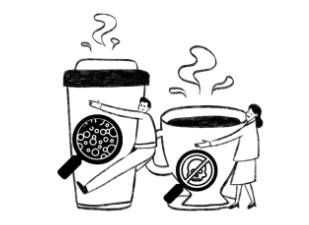
Whether it’s hot or cold, for here or to go, our coffees and teas that kick-start our mornings have become a non-negotiable in our everyday routines. However, with every cup there’s more than just cream and sugar. Your cup of joe or spot of tea contains a plethora of microplastics and chemicals. Whether it’s from the quick and easy single-serve coffee machine pods made from plastic, or the disposable coffee cups lined with plastic, or the bleach, plastic and glue found in tea bags and coffee filters, our regular morning habits have become a threat to our health.
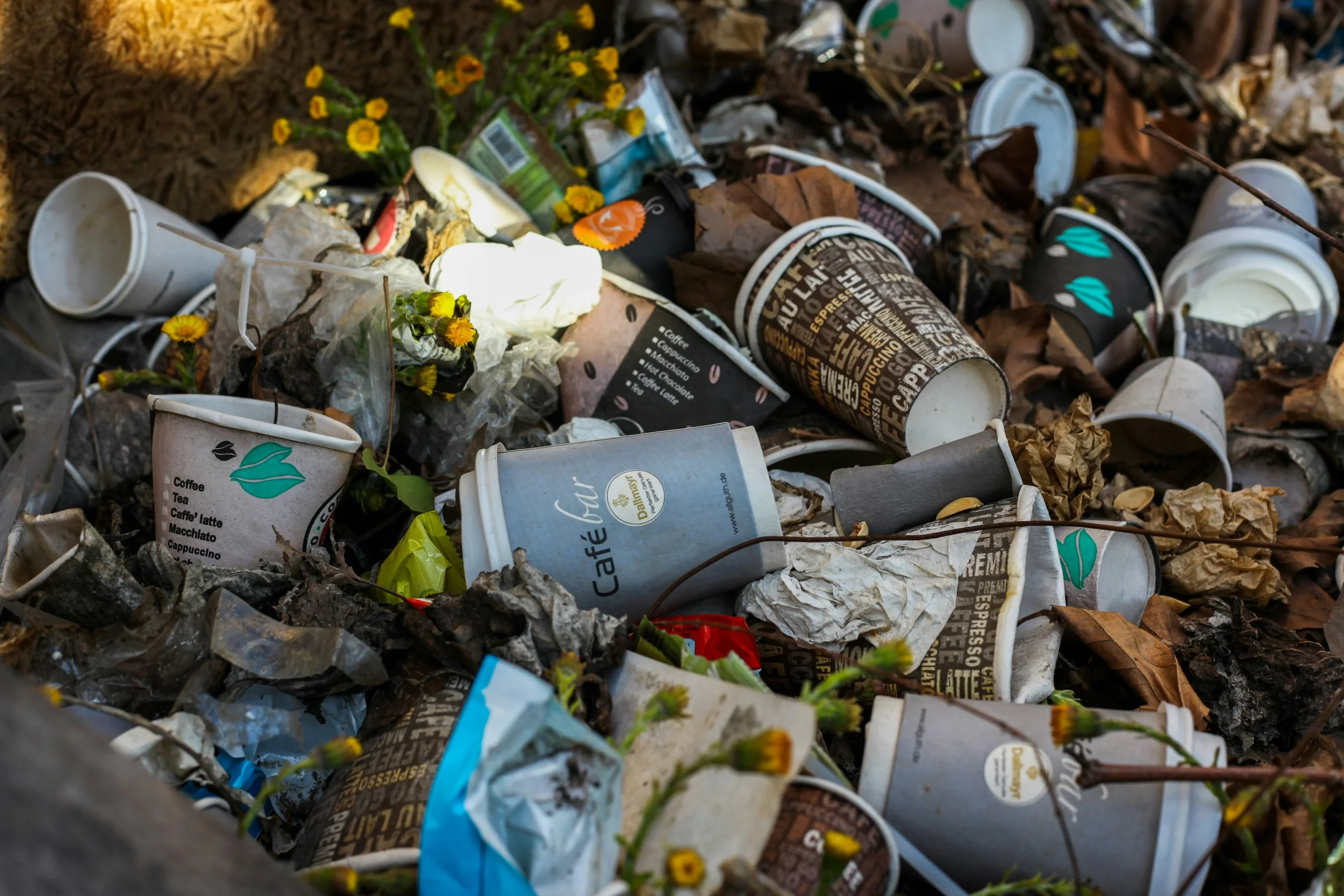
Coffee Waste by Jas Min, retrieved from and licensed by Unsplash
It doesn’t stop there. The single-serve coffee pods and disposable cups don’t just disappear after your last sip, they accumulate in landfills and our waterways, and those microplastics and chemicals that were polluting our bodies also pollute the health of our environment. WHEN is here to explore microplastic and chemical exposure in the heavily consumed coffee and tea industry and provide you with various alternatives to reduce the burden of harm. That being said, individual action alone is not enough. We must demand safer products and regulations because we deserve coffees and teas that not only pick up our days, but are also safe for our health and our planet.
Hot Drinks and Toxic Links
Millions of people worldwide consume coffee and tea as part of their daily routine. It is a significant part of cultural traditions and social interaction, and has connected people with each other globally. Unfortunately, over time, our coffee and tea culture intersected with our capitalist consumer culture of convenience, which has paired toxic substances with our beverages in ways that are increasingly difficult to disentangle.
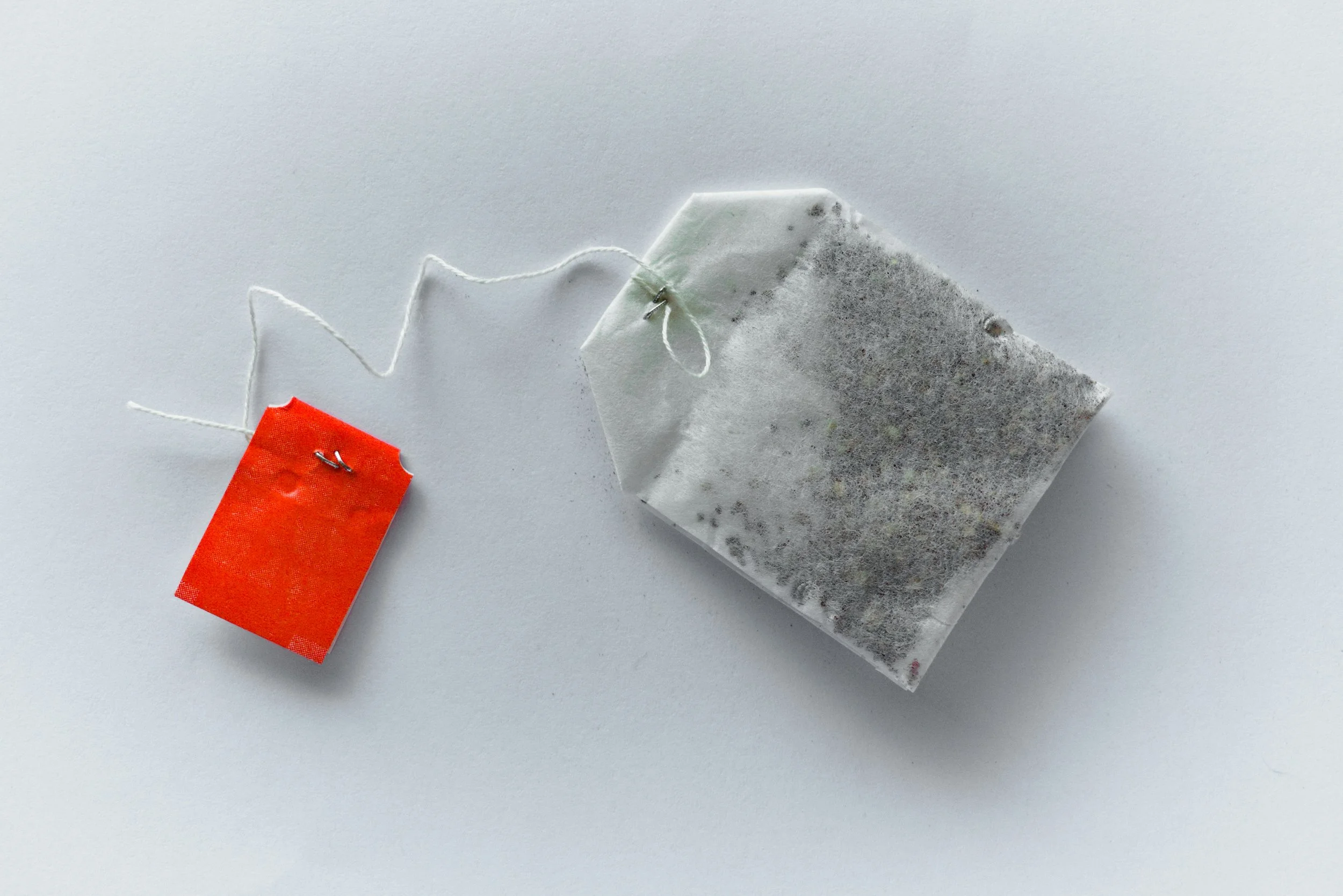
Teabag by Lynda Sanchez, retrieved from and licensed by Unsplash
In addition to plastic found in our everyday products, food packaging, clothing, and cookware, they have entered every cafe, workplace and home. Most teabags are made specifically of nylon or polyethylene terephthalate (PET), which then leaches into your drink when steeped at high temperatures. Single-serve coffee pods, which are plastic pods that contain coffee grounds made by popular brands including Keurig and Nespresso, also release plastics when brewed. Let’s not forget that every disposable cup from Tim Hortons and Starbucks is lined with plastic as well.
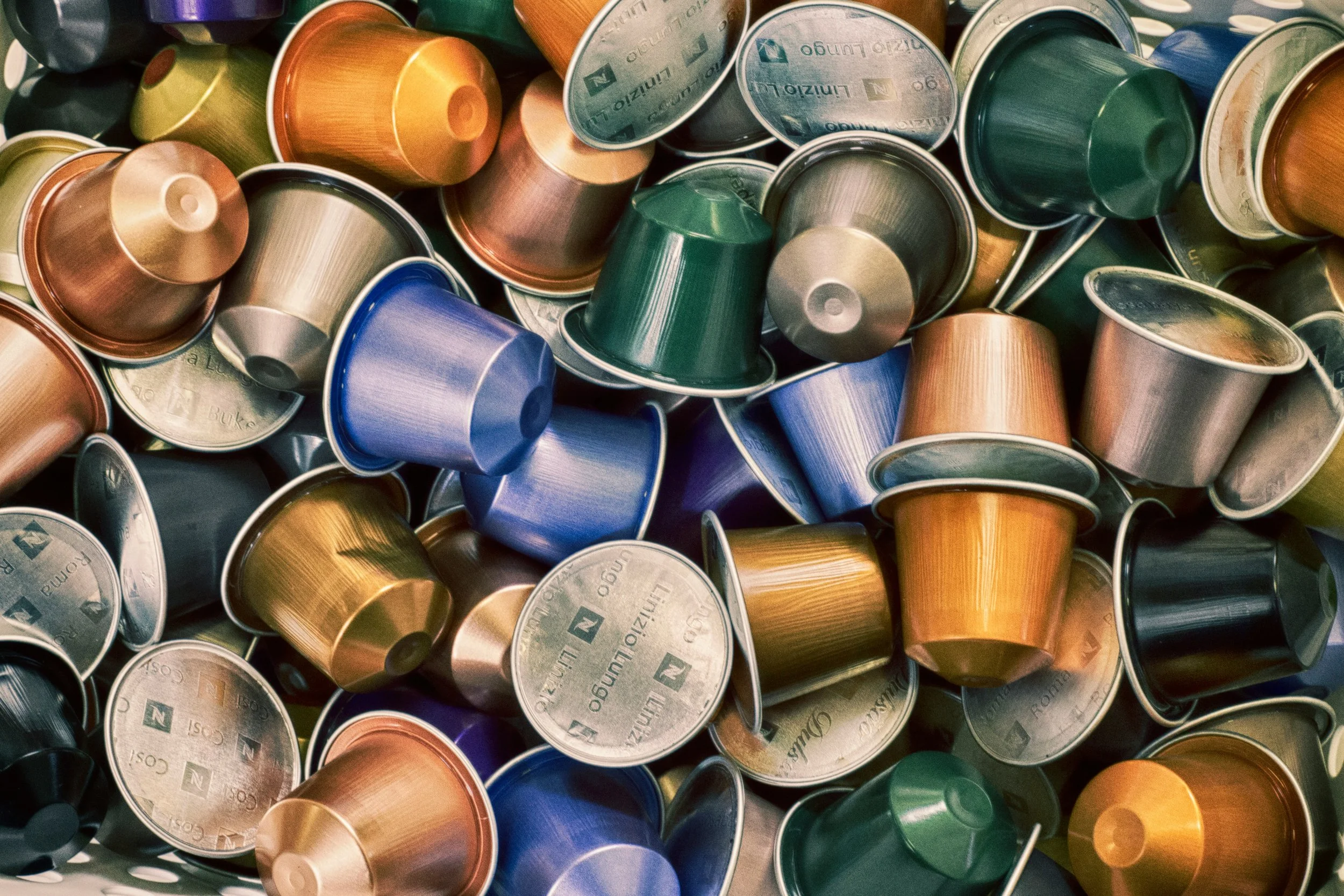
Coffee machine pods by Jisu Han, retrieved from and licensed by Unsplash
The plastic in these products degrade into smaller forms called microplastics and nanoplastics that enter our bodies and ecosystems. Microplastic research is still emerging, and studies are looking at various ways we are exposed, such as inhalation (i.e. breathing in) of plastics, skin contact, and the ingestion (i.e. eating and drinking) of substances that are contaminated with plastics. Some studies evaluate our chronic exposure, or our Chronic Daily Intake (CDI) and our Lifetime Intake (LTI), which looks at how often we consume plastics and the overall accumulation of plastic exposure, but a significant hurdle for microplastic research is that plastic is already in everything and everyone. The lack of a control group, which is a study group that is unaffected by microplastics, does not exist, making it more difficult to research and understand the level of harm they specifically cause to our health.
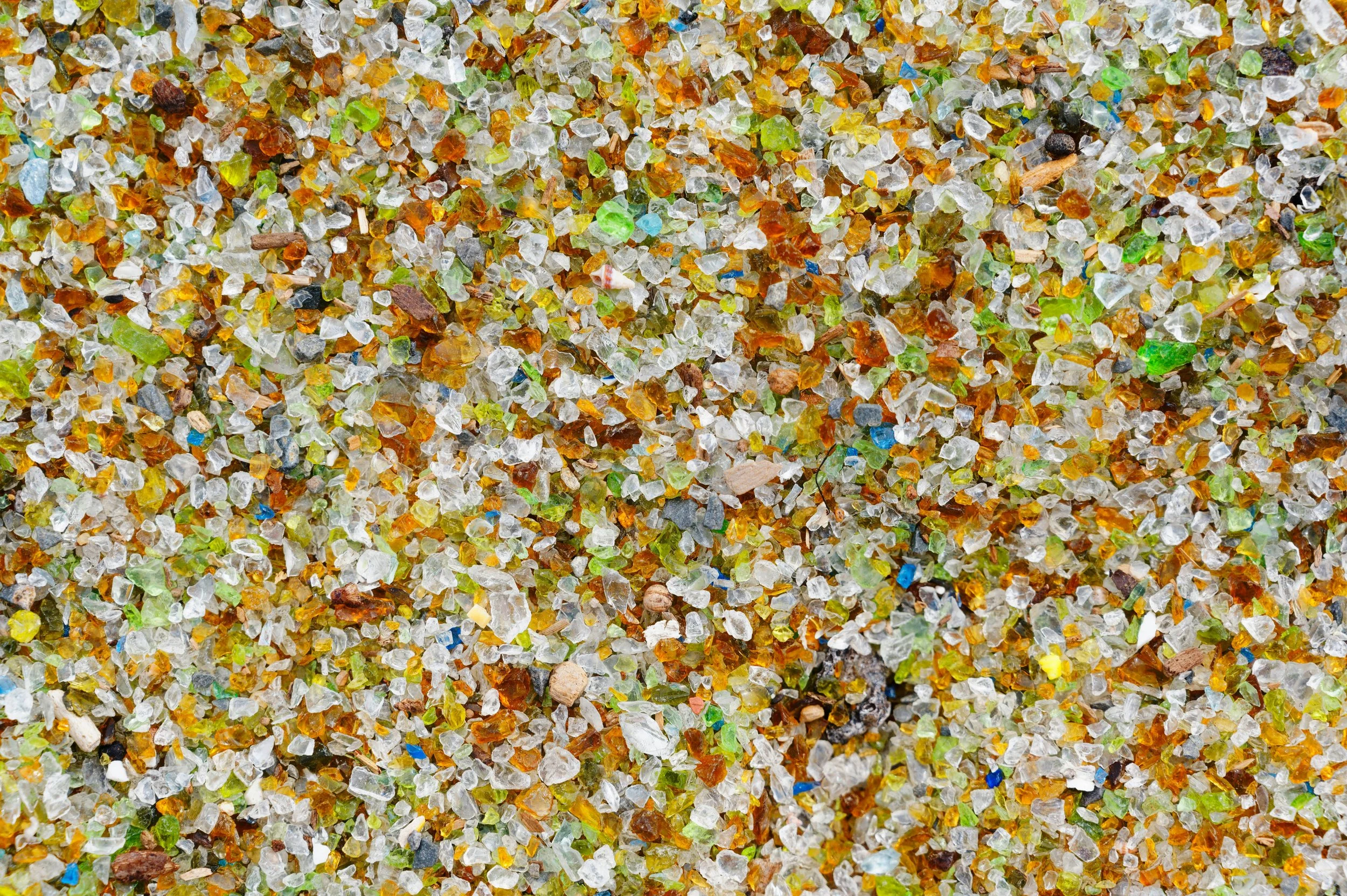
Microplastics by Da-shika, retrieved from and licensed by Unsplash
To get a better picture of the pervasive nature of microplastics in our environments and bodies, check out the award-winning, Canadian feature documentary Plastic People, available on CBC Gem for free under the series The nature of things.
More Plastics, More Health Problems
While microplastic and chemical exposure that is paired with coffee and tea impacts all consumers, WHEN will be highlighting some of the impacts on the health and bodies of women and people with female reproductive systems.

Women's Health by Round Icons, retrieved from and licensed by Unsplash
Microplastic accumulation has been found in every corner of the human body; our brain, blood, organs, and most concerningly, in the placenta of soon-to-be parents. Current research on the plastic build-up in our bodies is found to be associated with endocrine disruption (hormone imbalances), decreased reproductive health (fertility concerns), insulin resistance (inability to regulate your blood sugar levels), weight gain, and cancer. Phthalates, perfluoroalkyl (PFAs), bisphenol A (BPA) and its derivatives are some of the chemicals companies use to provide flexibility, durability, as well as water and oil resistance to disposable cups and coffee pods. These chemicals are widely known as Endocrine Disrupting Chemicals (EDCs) that are associated with major reproductive disorders, including: Polyendocrine Metabolic Ovarian Syndrome (PMOS, formerly known as Polycystic Ovarian Syndrome or PCOS), endometriosis, menstrual irregularity, and infertility. When we consider the health of pregnant people, prenatal exposure to EDCs was found to be associated with neurodevelopment and obesity risks.
We all deserve to enjoy coffee and tea safely. This means that our current culture of convenience at the expense of women’s health should not be tolerated by our leaders, and more policy and regulatory efforts prioritizing our health and reducing microplastic harm must be implemented.
Greenwashing in the Coffee Industry
Although coffee pod companies claim their products are recyclable, many branded K-Cup coffee pods require consumers to peel off a plastic film before disposal, and for years many municipalities lacked the infrastructure needed to recycle the pods properly. Ontario only recently expanded its recycling system to accept K-Cups and similar single-serve coffee packaging in 2026.
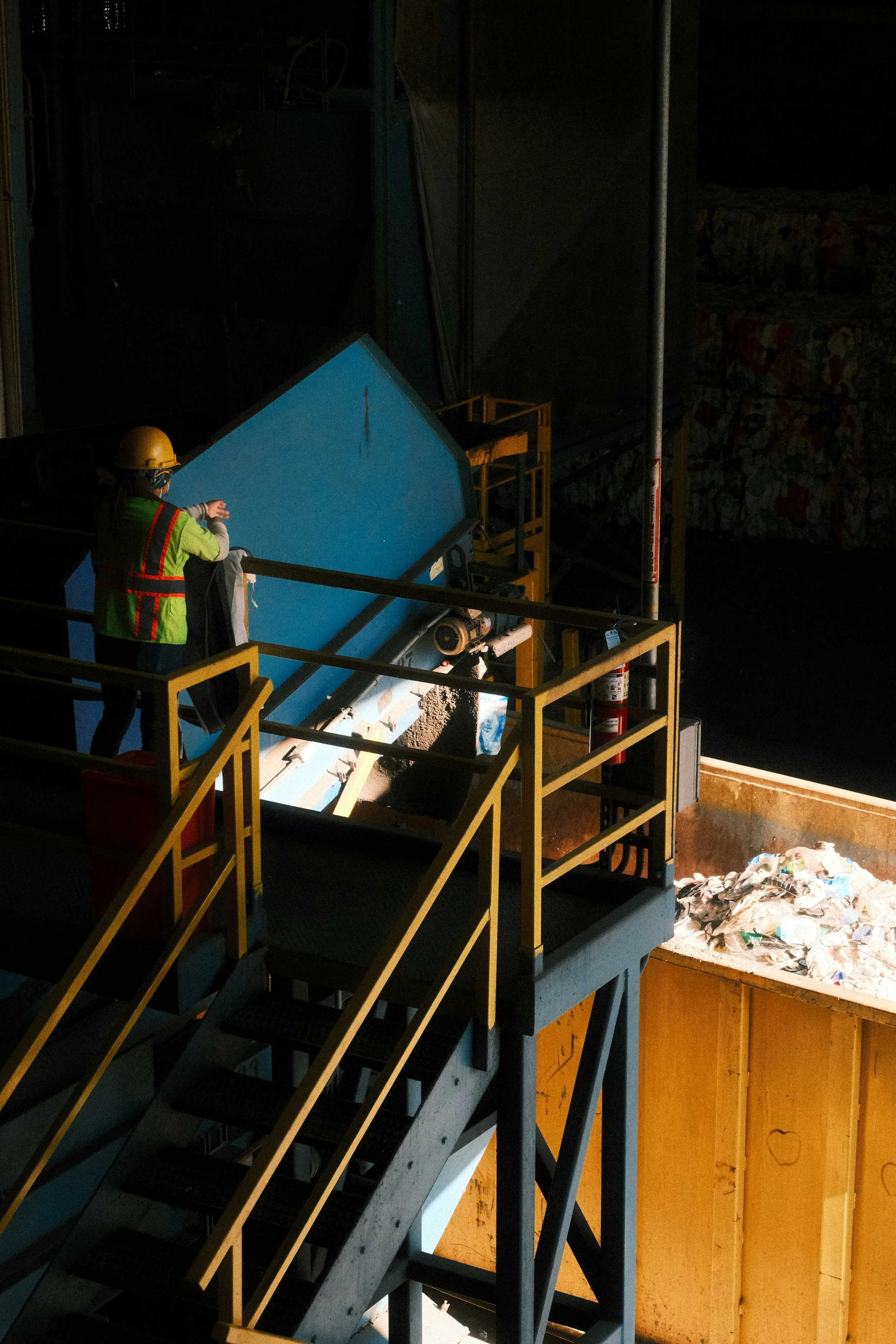
Trash and Recycling Center by riptide444, retrieved from and licensed from Unsplash
According to Club Coffee, Canadians discard approximately 2.8 million coffee pods a day, amounting to hundreds of millions of pods (or the annual weight of more than 420 blue whales!) entering waste streams each year. In landfills, these products continue to have environmental consequences through the generation of greenhouse gases, (the release of methane, a potent greenhouse gas) as they slowly break down.
Disposable paper cups contain a number of potentially toxic elements that are often embedded in the plastic lining (polyethylene) and the glue used to keep the paper cup waterproof. So it is worth questioning paper cups as an adequate ‘eco-friendly’ disposable cups. Additionally, incinerating paper cup waste releases greenhouse gases, with an estimated 1.77 kilograms of carbon dioxide emitted for every 1 kg of cups burned. Researchers also detected trace amounts of naturally occurring radioactive materials in the resulting ash, which adds up with the massive amount of cups that are thrown away.
Therefore, we see that meaningful reductions in waste and pollution require not only better recycling systems but also a reduction in society's reliance on single-use products in the first place.
What Changes Can You Make?
While individual action alone cannot reduce harm to the extent we need, we can take some precautionary steps to reduce our personal exposure, especially if you may have any predispositions or a history of reproductive disorders.
WHEN’s go-to alternatives:
Instead of single-serve coffee pods, consider using a french press made from glass and steel. It is a cylindrical pot that doesn’t require filter papers, and has a multi-layered metal filter that pushes boiling water through medium to coarse coffee grounds.

French press by Sorin Gheorghita, retrieved from and licensed by Unsplash
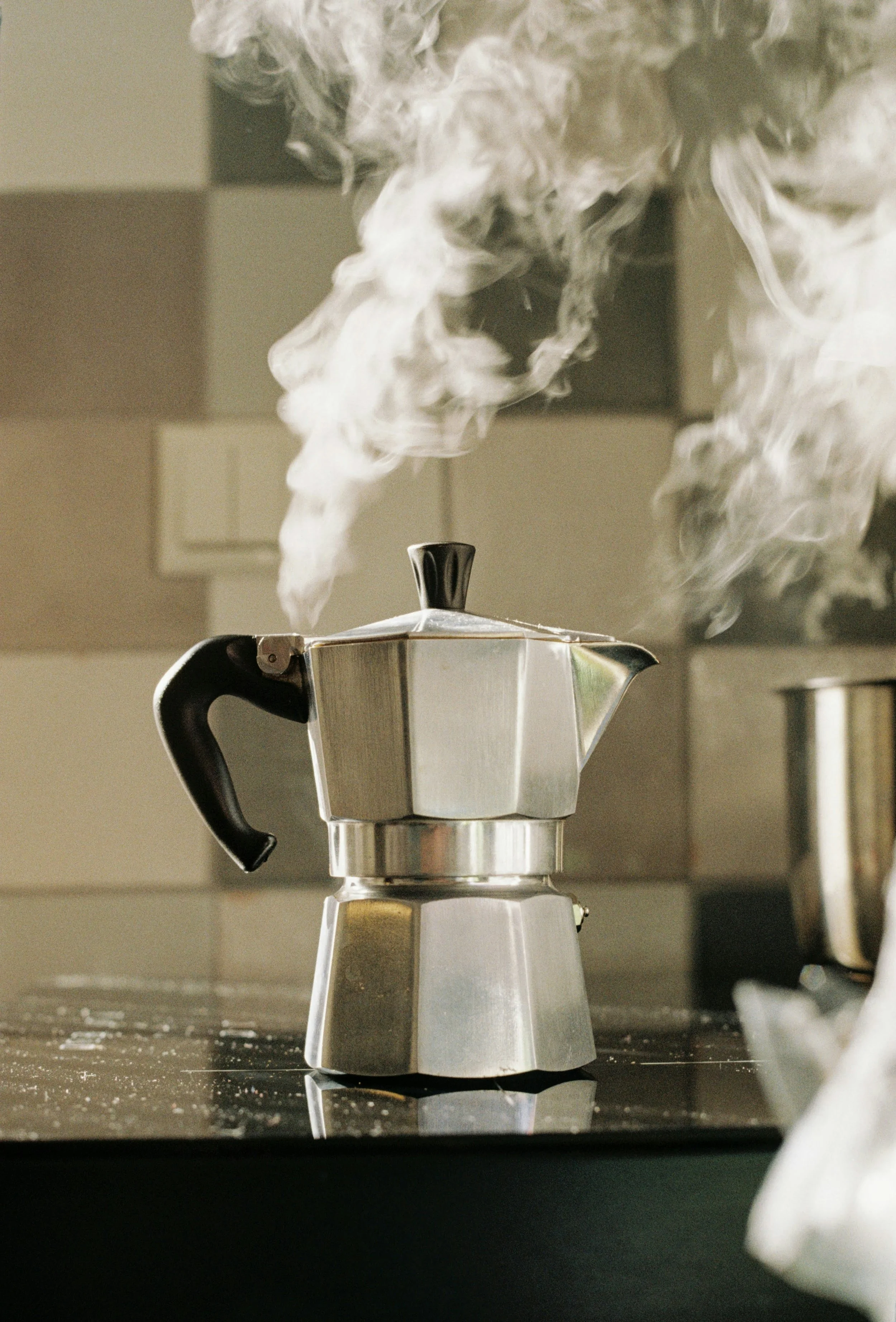
Exclusively an espresso type? Look into using a Moka Pot! It’s a type of coffee maker that can be placed on top of a stove or be plugged into a wall, and it works by pushing pressurized steam through the coffee grounds to make the perfect cup of espresso. They are typically made from aluminum or stainless steel and are popular in Italian culture!
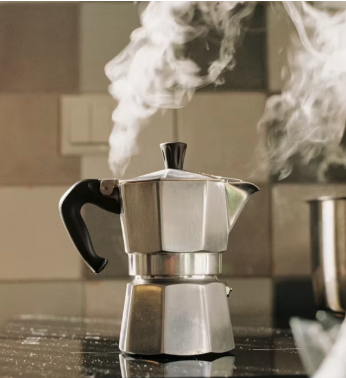
Moka Pot by Chris Weiher, retrieved from and licensed by Unsplash
Instead of using tea packaged in plastic teabags, consider using loose leaf tea with a reusable stainless steel infuser. There is so much variety in the types of infusers that are available to meet your tea needs!

Moka Pot by Chris Weiher, retrieved from and licensed by Unsplash
You can also consider tea brands that use biodegradable/compostable plastic-free teabags made from natural fibres – WHEN’s favourite local brand is Pluck.
Try your best to avoid brands that use plastic packaging to reduce ingesting microplastics and your overall plastic waste. Additionally, when you visit cafes or are on the go, opt for mugs and thermoses to reduce disposable cup usage, ultimately minimizing disposable cup waste in landfills!
Holding Corporations and Governments Accountable
Public health experts often point to the precautionary principle, which holds that governments should take preventive action when there is evidence that a substance or activity may cause harm, even if some scientific uncertainty remains. Applied to plastics, this principle suggests that policymakers should act to limit potential risks to human health rather than waiting for definitive proof of harm.
Notable casse study: Keurig Canada
For many years (at least since 2016, according to a lawsuit), Keurig marketed its single use k-cups as recyclable. However, in 2022, the competition bureau found that these claims created the impression that the pods could be recycled in municipalities across Canada when, in reality, they were not widely accepted by municipal recycling programs outside British Columbia and Quebec. As a result, Keurig Canada agreed to pay a settlement and revise its environmental claims and packaging information.
Here, we see the limitations of relying on individual consumers to make environmentally responsible choices. We can make eco-conscious decisions based on what the packaging says, but how can we ensure they are actually recycled properly?
Following increased scrutiny, recycling systems in Ontario expanded to include empty K-Cup pods and other recyclable single-serve coffee packaging. According to Circular Materials, these changes demonstrate what can be achieved when producers, governments, and recycling organizations work together to improve waste management systems (and ensure transparent claims and corporate accountability).
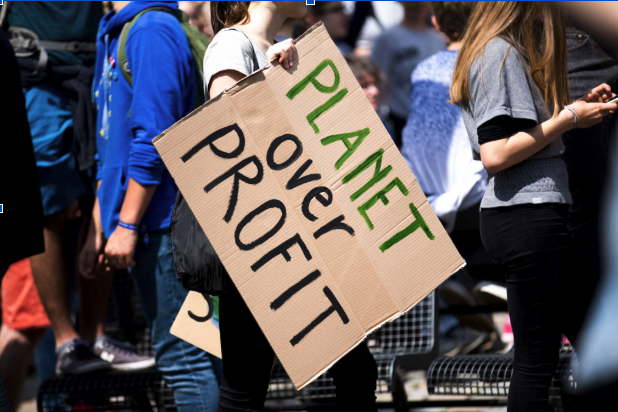
Fridays for Future - Global Climate Strike by Markus Spiske, retrieved from and licensed by Unsplash
Final Thoughts
Combating the plastic and chemical toxins all around us can feel overwhelming, but remembering that every small step adds up, and that it takes each and everyone of us to begin the shift in our culture of convenience to a culture that is sustainable and safe. We at WHEN are dedicated to fighting for health, equity, and the wellbeing of our planet through education, and demanding policies and regulations needed to live healthier. Consider making a donation to WHEN to support our advocacy for stronger health protection for women and the environment.