
This blog post was written by Alessia Iacobelli, Kaitlyn De Sousa, and Gwen Merry, members of WHEN’s volunteer editorial team, and edited by Victoria Lewis, Ariana Nicola, Kanisha Acharya-Patel, & Charlotte Hobson.
WHEN advocates for all women, trans, cis, and Assigned Female at Birth (AFAB) individuals. For the purposes of this blog post, the term ‘women’ shall refer to those with ovarian reproductive systems and/or those who identify as women, recognizing that both sex and gender affect one’s vulnerability to the impacts of toxic exposure in the home.
Throughout all blogs WHEN publishes, and as we talk about creating healthier homes, we must reiterate that precautionary consumption, or being able to shop your way out of toxic exposure, is a privilege. It is the government’s responsibility to ensure that our environments are protected and that product regulations in Canada prioritize the health of humans and our environments.
WHEN’s annual Wannabe Toxic Free (WTF) event is returning on June 7, 2026 at the Centre for Social Innovation, Spadina! This year, we will be hosting the Home Edition of WTF, complete with a panel discussion, home decor swap, sustainable vendors marketplace, and a DIY cleaning product workshop designed to help you make safer swaps with confidence. Tickets and more information about the event schedule can be found here.
WHEN is turning its focus inward, toward the place we spend the most time: our homes. From cleaning products and cookware to furniture and air fresheners, everyday items can release substances that negatively impact both human and environmental health. By starting at home, we can take manageable, practical steps to reduce exposure and reclaim our living spaces as places of care, safety, and restoration, not hidden sources of harm.
Many common household products contain toxic materials linked to endocrine disruption, reproductive harm, cancers, respiratory illness, neurotoxicity, and developmental concerns. Chemicals such as phthalates, per- and poly-fluoroalkyl substances (PFAS), volatile organic compounds (VOC’s), flame retardants, heavy metals, and synthetic fragrances can accumulate in indoor air and dust, building up in our bodies over time and straining our natural detoxification systems. What feels routine - wiping a counter, lighting a candle, cooking breakfast on nonstick pans - can become a pathway of chronic exposure.
These risks are not distributed equally, and for many women, gender-diverse people, BIPOC, and low-income communities, the home is a significant site of chemical exposure. Structural inequities mean safer products are often more expensive and less accessible, with regulatory bodies failing to protect vulnerable communities. Those who already face disproportionate environmental burdens (primarily caused by zoning issues including proximity to waste or disposal sites, factories and production sites, and resource extraction sites) are also more likely to encounter toxic building materials, higher levels of indoor and outdoor pollution, and limited access to affordable, non-toxic alternatives. Gendered marketing and product design also increase exposure for women and gender-diverse people, particularly through personal care and household labour patterns.
We can no longer ignore the intricate and inextricable links between the chemicals we are surrounded by and the negative health impacts we are increasingly experiencing.
The good news? Small, informed swaps can make a meaningful difference. Detoxifying your home does not require perfection or a complete overhaul overnight. It starts with awareness, practical tools, and collective action. At this year’s WTF: Home Edition, we invite you to learn, swap, create, and reimagine what a truly healthy home can look like, for ourselves, our communities, future generations, and the planet.
Read on to learn about why our homes have become major sites of exposure, how exposure happens, how household toxics harm our bodies and planet, and actions we can take to limit our exposure.
Excessive Toxic Exposure in Our Homes
In North American societies, particularly here in Canada and in the United States, overconsumption has become deeply normalized. As we purchase more items, we accumulate more sources of toxic exposure, causing our homes to become major sites of harm. The routine and excessive purchases of single use and single purpose items is not accidental. It is embedded in the tactics of capitalist systems that prioritize convenience, disposability, and constant growth of profit over durability and long-term well-being of human and environmental health. Through social media and marketing, we are constantly encouraged to buy more items we ‘never knew we needed’, which usually means you don’t actually need them!
Many of these household products contain toxic substances that are linked to various health concerns (described in the next section). Some of these products are not dangerous in isolation, but daily exposure from multiple sources add up to create a greater health risk over time. Reducing how much we buy, how often we replace items, and how we use materials can protect both human health and the environment.
Despite the numerous changes we can make as individuals, we still face significant barriers to making truly informed and safer choices. Marketing often outpaces regulation, making it difficult to distinguish genuinely safer products from those that simply appear sustainable; for example, many companies employ greenwashing strategies to make their products and production methods seem harmless.
Greenwashing
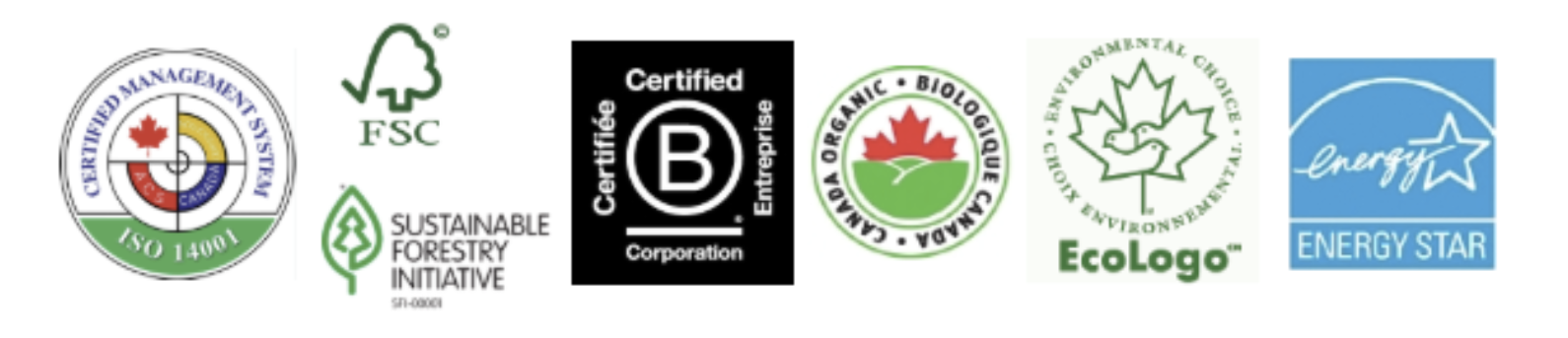
Greenwashing occurs when companies make false or misleading statements about the environmental implications and benefits of a product. This gives the impression that they are an eco-friendly company, but they might continue to participate in harmful practices. Branding often includes words such as “natural,” “non-toxic,” “eco-friendly,” “plant based,” or “biodegradable/compostable” without any actual explanation of the standards or certifications that they use. They also use images of nature, greenery, or other symbols that create an impression of environmental responsibility. Checking that your products have independent third-party certifications and environmental labels can help to ensure that the environmental claims being made are legitimate and regulated, providing more accountability than vague labels.
Companies also tend to highlight single ‘green’ improvements, while ignoring other larger environmental concerns in their supply chain. They may introduce a small line of eco-friendly products while continuing to use unsustainable methods for their other products. These products are marketed to be more environmentally friendly than they actually are, creating an illusion of a commitment to sustainability, so that consumers feel like they are making a responsible choice.
These tactics give the impression that consumers can shop their way to a more sustainable lifestyle, rather than reducing consumption or choosing longer-lasting products.
Composting
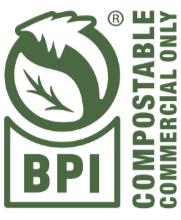
When it comes to composting, some packaging advertised as “compostable” contains PFAS. Look for BPI-Certified items which have been certified by the third party, BPI, as their certification ensures that there are no PFAS in the product. The BPI certification also ensures that the product can be safely composted.
Further, BPI explains that it is important to pay attention to the language distinction between biodegradable vs compostable because not everything that is labeled as biodegradable is compostable. Biodegradable products can be consumed by microorganisms and break down into compounds. However, labelling a product as “biodegradable” does not refer to specific end life of the product, and the label is often used on non-compostable products which contaminate compost facilities. Biodegradable items may also emit pollutants at the end of their life. On the other hand, compostable items (under certain conditions) are guaranteed to decompose into non-toxic elements within a certain timeframe.
In short, all compostable items are biodegradable however, not all biodegradable items are compostable. Compostable items are preferable as they are guaranteed to break down within a specific timeframe unlike biodegradable items which may persist for centuries.
Precautionary Consumption and Lack of Protections
When companies are not being transparent about their products, the responsibility for safety through research, verification and risk assessment shifts onto the consumers. Consumers can take precautionary measures to prevent harm before it is fully proven by avoiding products and changing the products they use. This is based on reasonable suspicion that it could be harmful, even if the risks are not fully understood or proven (“better safe than sorry”).
People have become responsible for making safe choices in a system where potentially harmful substances are still available and widespread, and public protections are limited. This burden is put on individuals because, in Canada, manufacturers are not required to prove safety of all ingredients before their products enter the market, and chemical risks are seen as a personal responsibility rather than a public health issue.
Different groups of people are also disproportionately impacted by this burden due to varying intersecting identity factors, like race, gender, and income. People facing the highest toxic burdens are often the least able to avoid them, and tend to be excluded from decision-making processes. Precautionary consumption requires the time, education, and financial flexibility to research products, understand the ingredients and potential harms, and have the money to purchase more expensive alternatives. When non-toxic living is treated as a personal and more luxurious lifestyle, those who can afford the safer alternatives are seen as responsible and informed. Those who can’t are blamed for their own exposure. For example, people with multiple chemical sensitivities (MCS) are forced to do excessive research to manage the risks of their purchases because of the lack of protections coupled with this diagnosis not being widely recognized as an official medical diagnosis.
Women are disproportionately targeted with messaging that they have a moral duty to keep a “safe home” and make “good parenting choices.” Scholars have highlighted that this is a form of gendered labour as women are primarily responsible for managing and shopping for the home. Research has investigated maternal responsibility and how mothers bear the burden of mitigating their children’s exposure to toxic substances. However, mothers without the financial resources, time, or access to “safe” products and a toxic-free lifestyle, may be seen as neglectful. Precautionary consumption in this context is a gendered burden shaped by societal expectations, economic capacity, and access to safer products.
Without strong government protections and real corporate accountability, consumers are left navigating confusing labels and incomplete ingredient disclosures, and health and safety becomes more of a privilege than a right. This normalizes exposure to toxins as inevitable. Living toxin free is often marketed to us as a lifestyle choice; something that people have a preference for and choose because they care more, know more, or can afford to be more aware. In this landscape, precautionary consumption becomes the default, requiring individuals to research, scrutinize, and spend more just to limit toxic exposure in their own homes. True protection should not depend on purchasing power or personal vigilance; it should be built into the systems that regulate what enters the market in the first place. In an ideal system, hazardous chemicals would be restricted or banned, product safety would already be tried and tested before they are put out onto the market, and exposure reduction is politically handled.
Common Exposure Sources and Effects on Human Health
Our biggest exposure sources are the everyday items we use without thinking twice. The products under our sinks, the pans on our stoves, the containers in our fridges, and even the couches we relax on can all contribute to our overall chemical exposure. These items are used frequently and come in close contact with our bodies, and become consistent, low-level sources of toxics over time.
Chemicals and pollutants enter our bodies in one of three ways: Inhalation (through the lungs), absorption (through or irritating the skin), and ingestion (through our digestive system). The rate of absorption of all chemicals, and persistence (resistance to degradation) of synthetic chemicals such as PFAS, can cause them to bioaccumulate (build up over time as they cannot be metabolized or excreted) in humans, animals, and the environment, and biomagnify (increasingly accumulate as they move up the food chain). Below, we will break down some of the most common household exposure sources, and main concerns for human health.
Nonstick Cookware
Most nonstick cookware has a polytetrafluoroethylene (PTFE) coating, a type of polymer or plastic commonly known as Teflon. A 2022 study found that both new and old nonstick cookware released tiny PTFE particles, including microplastics and nanoplastics (MNPLs). This coating belongs to a group of synthetic chemicals called per- and polyfluoroalkyl substances (PFAS) or “forever chemicals” which have grease, heat, and water-resistant properties. The Government of Canada has stated that PFAS is found in almost 100% of the Canadian population, and can affect the liver, immune system, kidney, reproduction, development, endocrine disruption (affecting thyroid homeostasis and synthesis), nervous system, and metabolism. For more information on this pervasive group of chemicals read our previous blog post here.

Photo by Onur Kaya, retrieved from and licensed by Pexels
Utensils and Cutting Boards
Common kitchen and food preparation items, such as plastic cooking utensils and plastic cutting boards, have been found to release harmful substances into our food.
A recent study found that 85% of black plastic household items tested contained toxic flame retardants (FR’s), with kitchen utensils showing some of the highest concentrations. Brominated FR’s and organophosphate FR’s are often used in electronic products, but due to the lack of transparency and regulations on plastics recycling, they are found in many products which do not require these chemicals as plastic material is re-used. Health concerns related to flame retardants (FRs) exposure include carcinogenicity (causing or increasing risk of cancers), endocrine disruption (impacting the thyroid), neurotoxicity (disrupting the nervous system), and reproductive and developmental toxicity.
Plastic cutting boards are a concern because of the microplastics that are released into our food. This study found that cutting vegetables on polypropylene and polyethylene boards could release up to 1,114 microplastic particles per single cut, equivalent to approximately 15 mg of microplastics. Microplastics can cause oxidative stress, DNA damage, organ dysfunction, metabolic disorder, poor immune response, and neurotoxicity, and contain endocrine-disrupting chemicals which can lead to hormonal disorders, reproductive issues, and developmental issues.
Plastic Containers
Plastic food containers can leach numerous chemicals and metals into food, especially when exposed to heat. These chemicals can be intentional additives (more well-known or studied effects) or inadvertent contaminants. The most commonly found chemical groups are phalates (very common in plastics and in fragrances), and bisphenols (includes BPA and its substitutes, found in polycarbonate plastics), which are associated with numerous health concerns, including endocrine disruption, neurodevelopmental issues, metabolic disorders, and reproductive issues. As mentioned above, FR’s are often found in plastics but are likely contaminants that come from recycled plastics. We are exposed to many more chemicals through plastic food containers, but research is not available for many of them. A database of chemicals associated with plastic packaging was created which identifies hundreds of chemicals likely associated with food packaging, and thousands possibly associated.
Cleaning Products
Household cleaning and personal care products can negatively impact indoor air quality and human health. These products often release volatile organic compounds (VOCs), which evaporate at room temperature and can cause eye and throat irritation, headaches, allergic reactions, and contribute to asthma and chronic respiratory problems. Even natural fragrances, such as citrus, can react indoors to form harmful pollutants. Common sources of VOCs include aerosol sprays, air fresheners, fragrances, chlorine bleach, detergents, dry cleaning chemicals, rug and upholstery cleaners, furniture and floor polish, and oven cleaners. Children and those with conditions such as multiple chemical sensitivity (MCS) are more sensitive to the effects of VOC’s. Ensure proper ventilation when using products with VOC’s indoors and ensure new carpets and building products are aired out before being brought into the home.
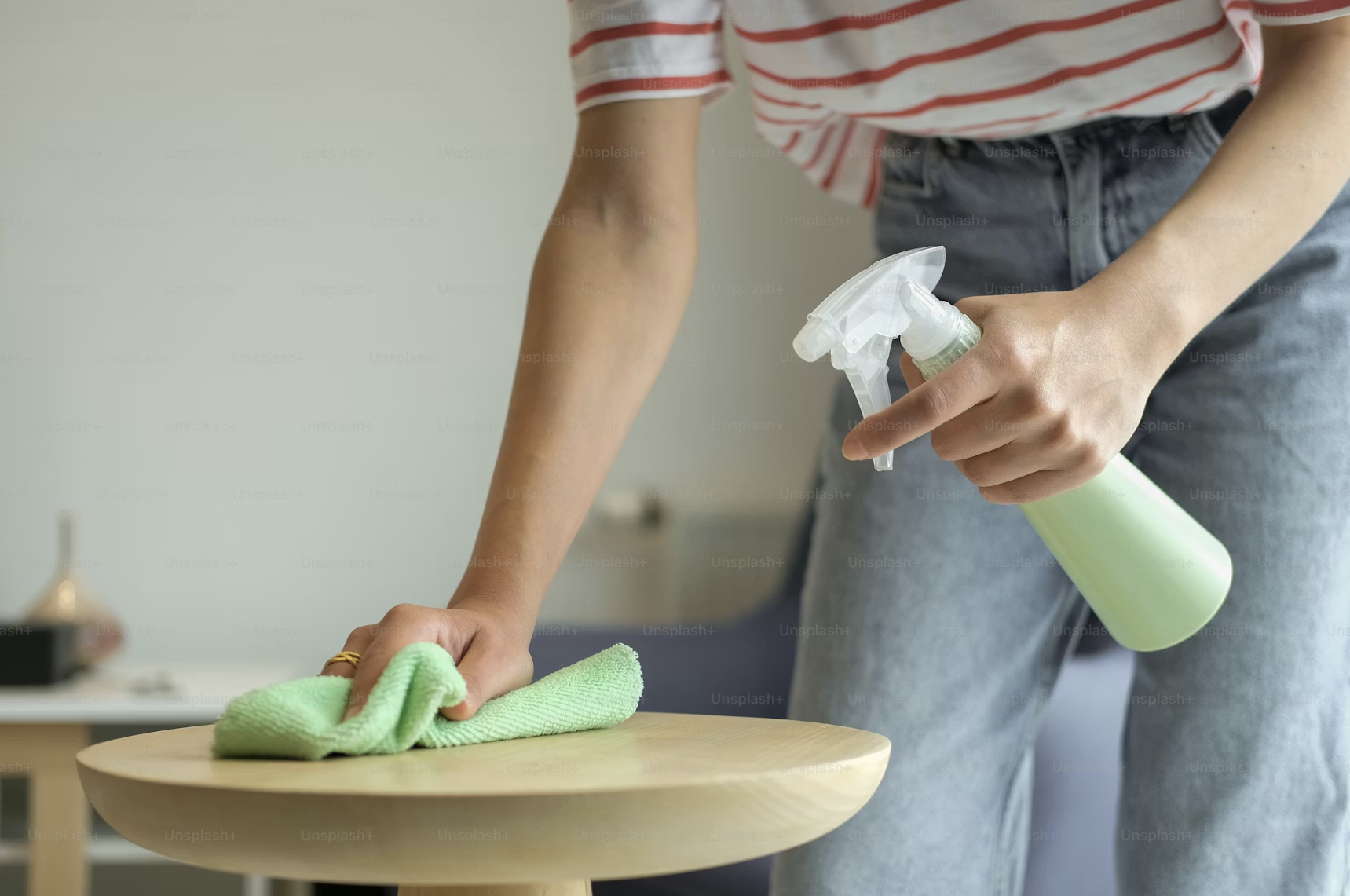
Photo by Kübra Arslaner, retrieved from and licensed by Unsplash+
PAINTS
Most paints have some level of VOCs, including formaldehyde, terpenes, BTEX; benzene, toluene, ethylbenzene, xylene, acetone, and FR’s (such as PBDE’s polybrominated diphenyl ethers). In addition to the health effects mentioned in the section above, VOC’s can also cause decreased lung function, low energy levels, and impaired mental focus. Chronic exposure to hazardous VOCs is associated with neurological disorders, including dementia and tremors.
Furniture
Chemical flame retardants (FR’s) are used in materials such as furniture and home textiles (bedding, towels, curtains, etc) with the intention to prevent or slow the spread of a fire. These FR’s have been widely used since the 1970s to meet flammability standards, but have been linked to serious human health concerns. Flame retardants can enter the body in several ways: by ingesting contaminated dust, inhaling airborne particles, or absorbing them through the skin. These chemicals have been linked to cancer, neurotoxicity, thyroid disease, pre-term birth and decreased fertility, as well as deficits in motor skills, attention and IQ in children.
For guidance on how to replace these items and reduce your exposure to these toxic materials, check out our recommendations section below!
Environmental Health Impact
The chemicals we use don’t stay in our homes, they circulate through the systems we all share. Harmful chemicals and waste pollute the environment through our water and air.
Waterway pollution
When we wash dishes, do laundry, or rinse products down the drain, residues don’t just disappear. Dyes from dish soap and laundry detergent, heavy metals, and PFAS (often linked to treated materials and even some fertilizers) can make their way into rivers and lakes. Wastewater treatment plants can’t always fully remove these substances, meaning they can accumulate in aquatic ecosystems over time.
The incomplete breakdown of detergent from both industrial and household wastewater use creates excessive foam in waterways. Oxygen in water is referred to as dissolved oxygen and a thick layer of foam reduces the rate that oxygen can penetrate into the water impacting the aquatic organisms’ ability to absorb dissolved oxygen. Many organisms such as fish, insects and microbes rely on dissolved oxygen and, when levels drop too low, they can die impacting entire ecosystems. In addition, a study on the effects of Sunlight detergent on fish showed that the increased detergent concentration caused difficult breathing for the fish and death in high concentrations.
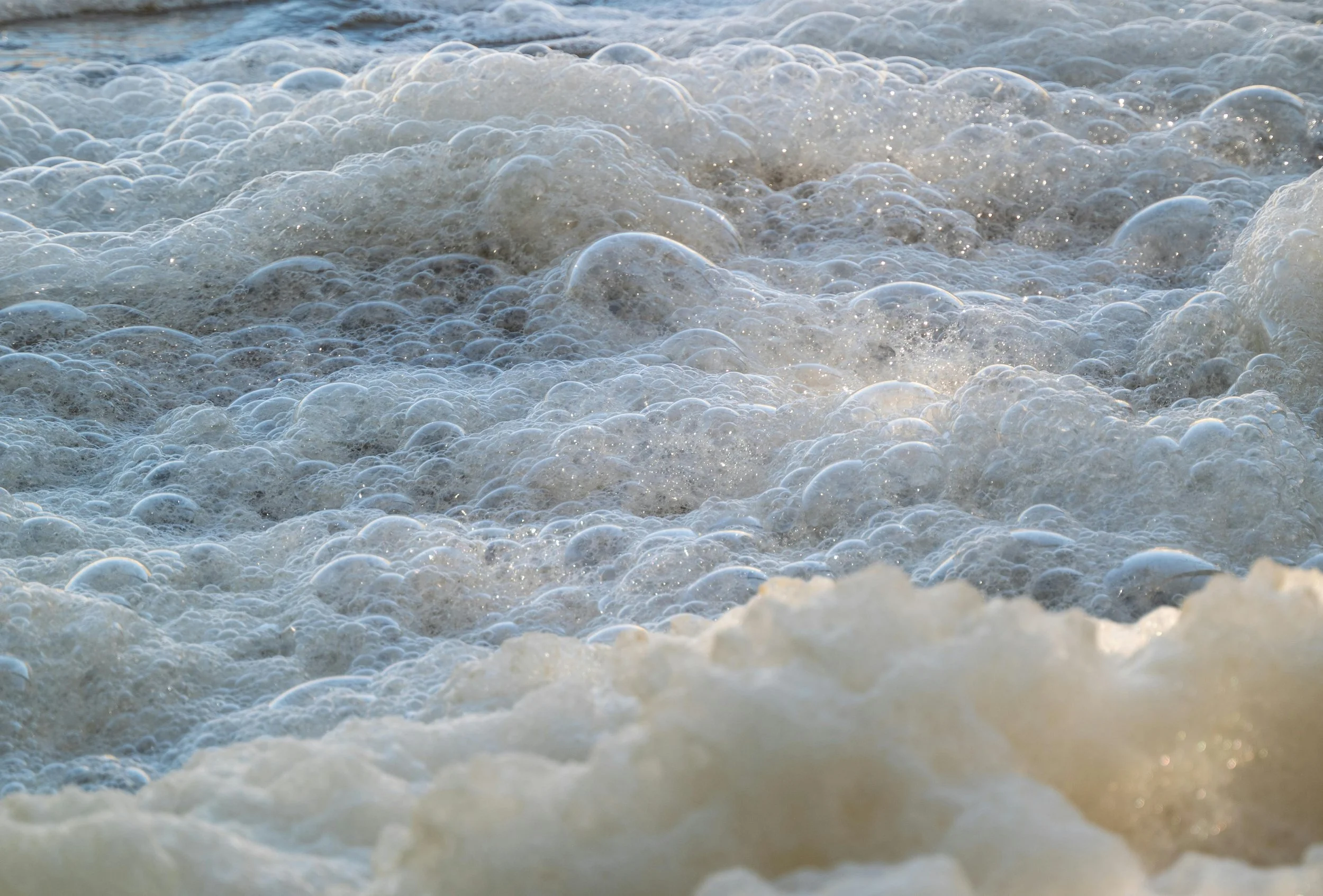
Photo by Chris F, retrieved from and licensed by Pexels
Proximity to airports, military bases, landfills, and firefighting training sites can pollute groundwater and have created PFAS hotspots across Canada (visible on this interactive map, published in 2025). PFAS also leach out of failing septic systems and landfills and these toxins can end up in our waterways. An American study found that PFAS have an impact on the immune system and liver functioning of fish. Through consumption, humans and other animals accumulate these PFAS. For example, Metro Vancouver uses biosolids, which are organic matter extracted from wastewater treatment plants, as fertilizers across British Columbia. Since PFAS are in so many of the items that we use daily including household products such as non-stick cookware, PFAS end up in sewage from households and are found in trace amounts in biosolids. Metro Vancouver says that as long as PFAS are in the products we use, they will be in biosolids. When these fertilizers are used for agricultural purposes, they can leech into the crops and livestock that we then consume. PFAS also reach wastewater treatment plants through the products we rinse down the drain. Be aware of the following ingredients found in household products to limit PFAS exposure: “perfluor-,” “polyfluor-,” “PTFE,” or Teflon.
Air pollution
Air pollution isn’t just an outdoor issue. Fragranced products, aerosol sprays, and VOCs released from furniture, paint, flooring, and building materials can off-gas into indoor air. Industrial activity, construction, and factory emissions add to this pollution, which often makes its way inside our homes too.
Fragranced laundry products don't just negatively impact the air quality of our households, these chemicals infiltrate outdoor air. One study measured the VOCs in emissions from two household dryer vents while using fragranced laundry products. The study found that between emissions from the two households, there were over 25 VOCs emitted, seven were classified as hazardous air pollutants and two as likely carcinogens.
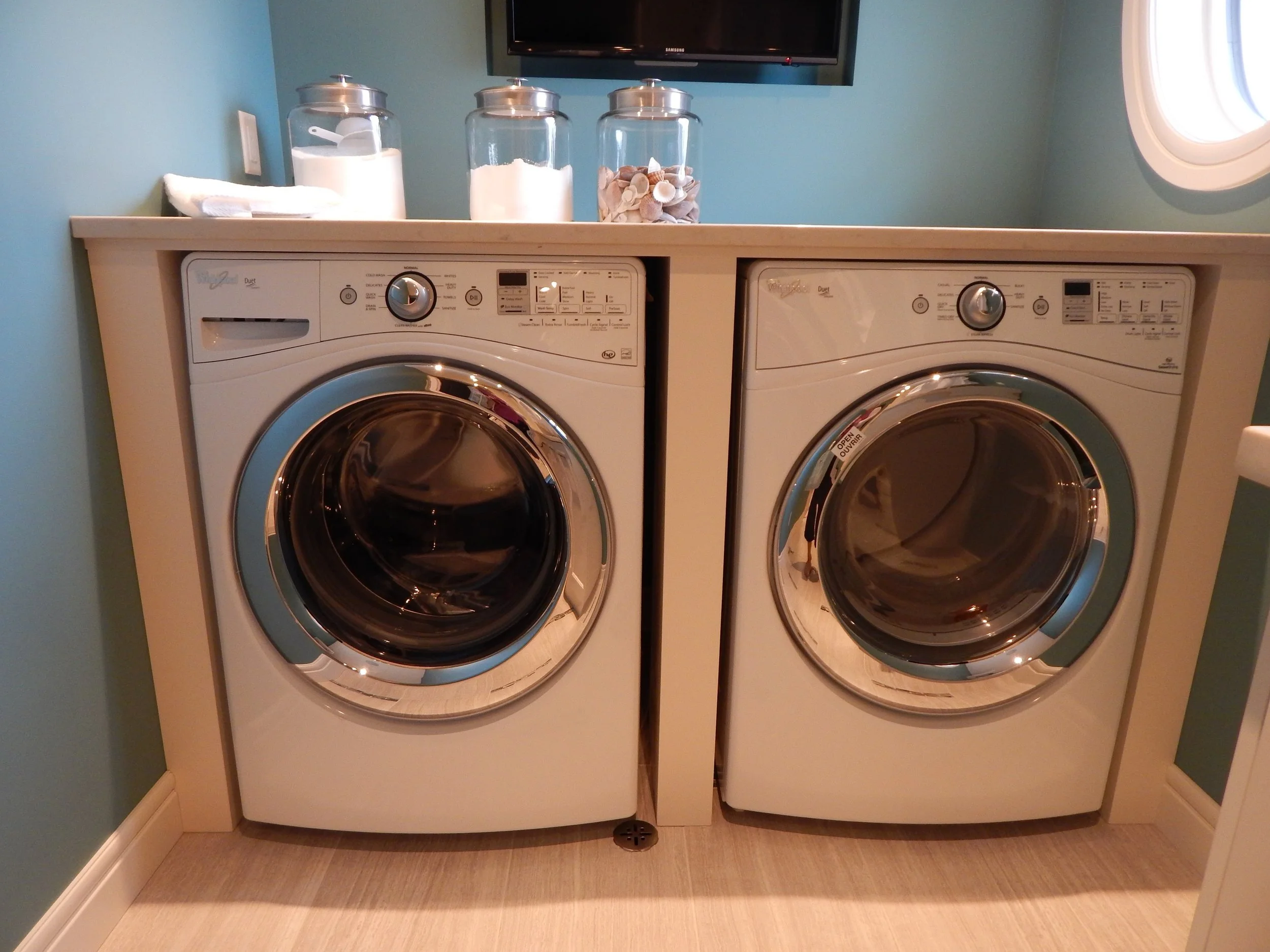
Photo by Erika Wittlieb, retrieved from and licensed by Pixabay
The building sector in Canada accounts for around 30% of Canada's GHG emissions. Around 12% is from the process of construction. The construction of homes impacts air quality from dust emitted into the environment. The health risks associated with the dust are chronic respiratory diseases, which especially affects construction workers most closely exposed to the dust. To address the emissions associated with the construction, the UN advocates for a circular economy where during demolition materials from existing buildings are preserved and used for new construction.
Recommendations
Consumer Tips
A great way to begin limiting your exposure to toxic materials is by using the PFAS consumer guide that WHEN released last year! Some easy swaps to remove PFAS, VOC’s, heavy metals, flame retardants, and synthetic fragrances from your home are:
Non-stick cookware → Stainless steel, cast iron, or glass cookware
Plastic cutting boards → Wood cutting boards (high density wood such as maple, walnut, and cherry, and finished with food-grade mineral oil or beeswax rather than synthetic sealers)
Plastic food storage containers → Glass and stainless steel containers, travel mugs, and water bottles
You can also purchase lead swab kits for glass and ceramic items (common in vintage items) to ensure they are free of heavy metals (mainly lead, but also cadmium, mercury and arsenic)
Numerous, one-purpose cleaning products → Cleaning products with organic and simple ingredients, purchasing from refillable product companies that limit plastic container waste, or DIY and cost-effective versions!
Paints with high VOC’s → Paints with certifications such as Green Seal (+ avoid aerosols, and always allow for strong ventilation when applying paint)
Synthetic, plastic fabrics for towels, beddings, curtains, and furniture → Natural materials like linen, jute, cotton, and hemp (and look for technical bulletin tags on furniture to ensure there are no flame retardants used)
Synthetic air fresheners and candles made from petroleum-based paraffin wax → Beeswax, coconut or soy wax candles and simmer-pots (check out our candle company recommendations from our Toxic-Free Traditions blog!)

Photo by Jas Min, retrieved from and licensed by Unsplash+

Photo by Liza Zerya Konus, retrieved from and licensed by Pexels
Tip: stick to natural materials! To ensure the quality of these materials, buy items with independent third-party certifications, environmental labels, and production story labels that go beyond what is legally required, such as showing the traceability and transparency of supply and production chains or have ethical and fair trade seals.
Advocacy and How to Get Involved
Choosing non-toxic furniture and textiles, safer cookware and food storage containers, organic candles and fragrances, or low-VOC paint requires time, research, energy, and money. Not everyone has equal access to these options, and the responsibility for protecting our homes should not fall solely on individuals. There are many structural inequities that negatively affect safety at home, including your access to clean water, clean air, and healthy eco-systems.
WHEN’s policy and law reform efforts are committed to ensuring our governments’ regulations consistently prioritize and protect environmental and human health. Below are some useful tips for advocacy, links to stay updated on relevant policy developments, content our organization has released, opportunities for you to personally contribute through submissions and participation in consultations!
Advance and enforce a circular economy, where producers are financially responsible for the full life cycle of their products, from design to disposal. This would incentivize companies to eliminate harmful chemicals, reduce waste, and rethink packaging before products ever enter our homes.
Establish legally binding indoor air quality standards, recognizing that the air inside our homes can contain a complex mix of chemical pollutants that accumulate over time.
Restrict, phase out, or prohibit chemicals linked to human and environmental harm, including those commonly found in household items like furnishings, cleaning products, air fresheners, candles, and seasonal décor.
Read our 2025 Submission to Environment and Climate Change Canada (ECCC) and Health Canada (HC) on their proposed Risk Management Approach for PFAS under the Canadian Environmental Protection Act (CEPA).
Planned engagement in PFAS Phase 2 consultations (address the use of PFAS in consumer products where safer alternatives are known to exist) in early 2027, with opportunities for community participation. You can also stay updated on the progress of the PFAS phases by signing up here (there are sections to sign up for all or specific phases).
Follow the development of the National Strategy to address Environmental Justice and Environmental Racism, which must be published in the Summer of 2026.
Read the joint statement on the development of the strategy, which WHEN and 52 other organizations signed onto, providing input on what a credible strategy would consist of.
The engagement document submissions for the four foundations of the strategy (found here) are closed now, but you can still sign up at enviroequity.ca to stay informed on the development of the strategy.
To continue to support our mission to create healthier environments for everyone, donate to WHEN and stay updated on our work by following us on our social media! (Instagram, Facebook)